
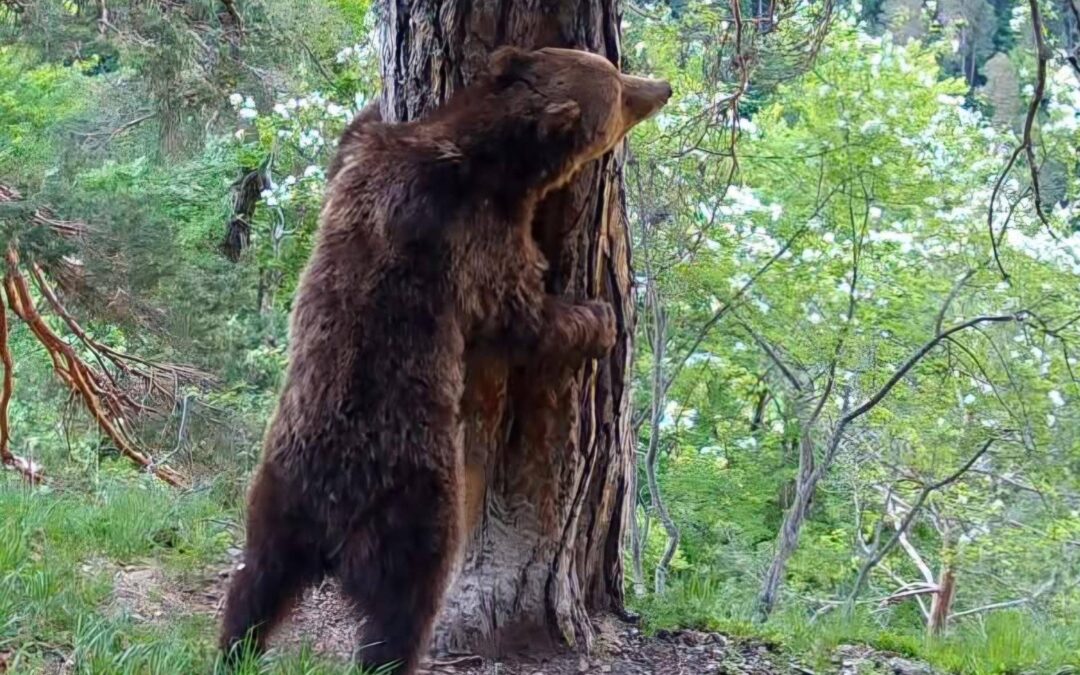
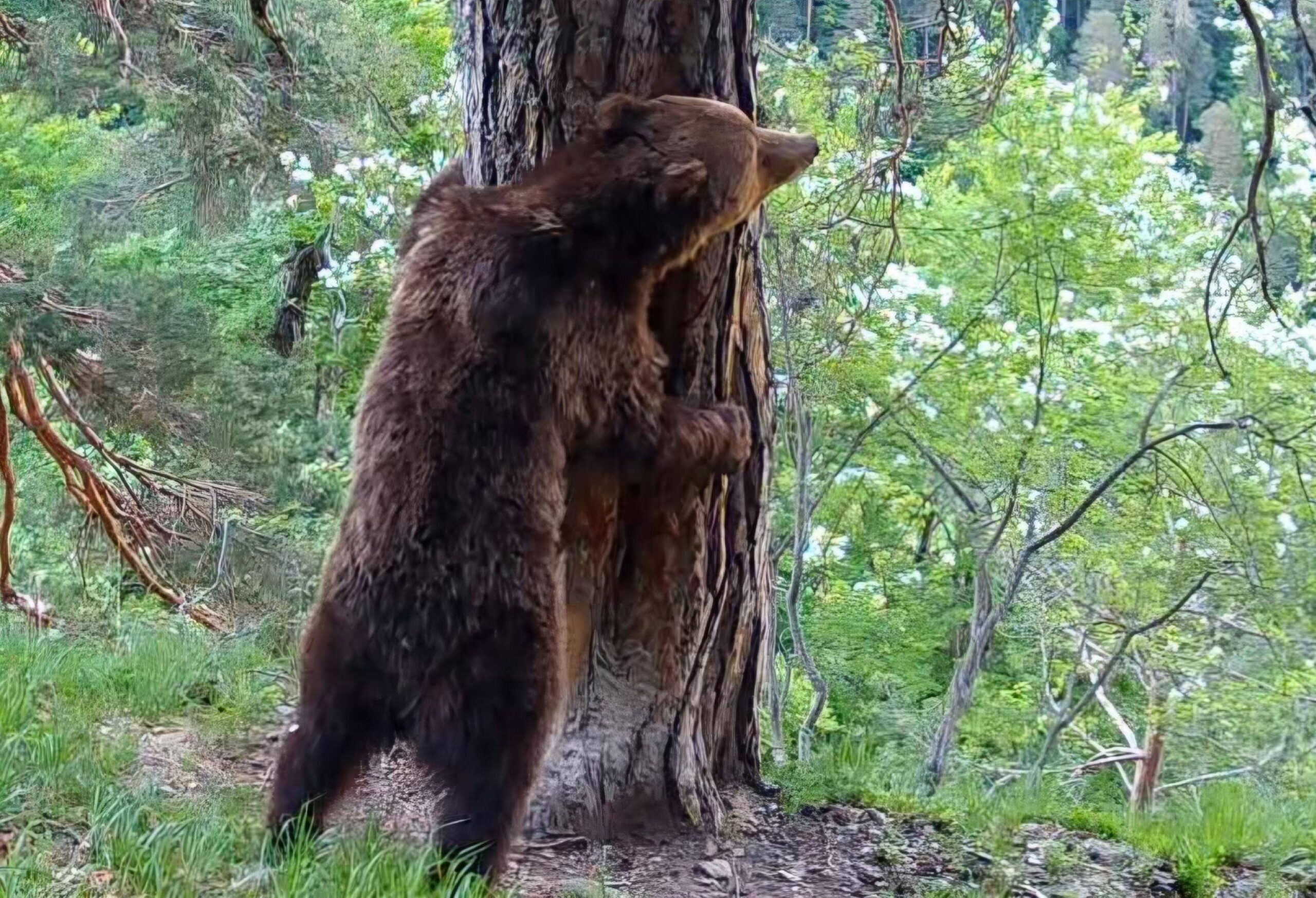
New figures for the brown bear population in the Pyrenees have been released by Aragón regional government.
The trans-border patrol group’s findings place the figure for 2025 at 108 bears, up by 12 on the previous year.
Readers are reminded that native bears in the Pyrenees were wiped out by the hunting and poor conservation practices that prevailed during the last century; the European brown bears which now inhabit the mountain range have been imported from Eastern Europe.
The surviving population of Iberian brown bears, which are smaller than their European cousins, inhabit the regions of Asturias, Castilla y León, Galicia and Cantabria, where around 400 bears are expanding their range.
The Aragón government report, published this week, shows that the Pyrenees stronghold for the bear is along the border between France and Cataluña.
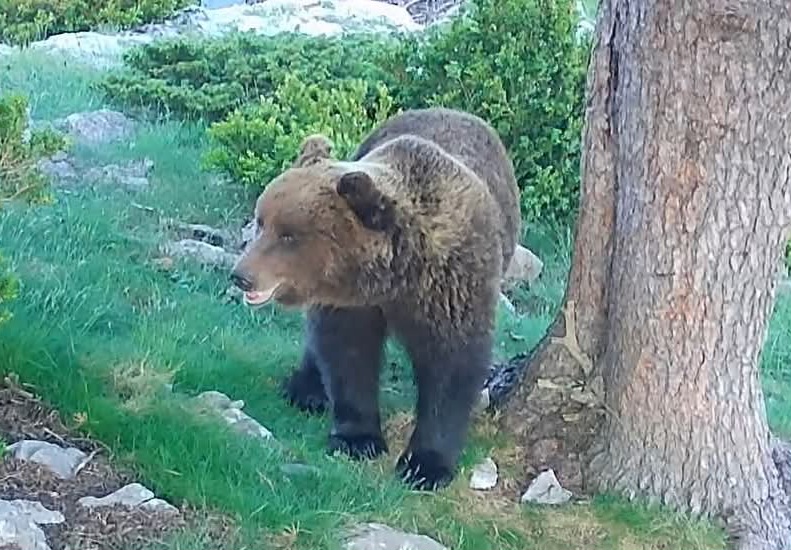
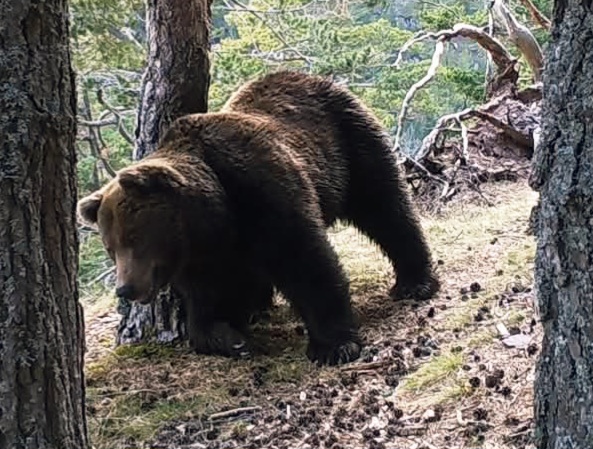
Only eight bears are known to have spent time in the mountains of Aragón region during 2025.
Their presence has been noted in the Valles Occidentales natural park, which includes the Hecho valley, Selva de Oza and sections of the GR-11 footpath that run through Zuriza, La Guarrinza and Aguas Tuertas.
The Aragón government noted that an adult female named Claverina has been spotted in that area, along with her two young cubs, as well as the four-year-old males Larry and Beroi, and two-year-old male, Rey.
The adult male Cannellito and another unidentified bear have been seen further to the east in Aragón’s Pirineo Oriental, where the highest peaks of the mountain range are situated, including Aneto (3,404 metres).
The regional government highlighted the work that is being carried out to ‘ensure compatibility between conservation and the maintaining of traditional activities’ such as livestock farming.
These include strengthening fences and installing a look-out post at the Segarra pass in the Ansó valley.
They have contracted two shepherds to tend flocks of sheep and goats in the Hecho valley.
The regional government reminded that they have two bear patrols, made up of two and three members, which are tasked with detecting the presence of bears, carrying out the census, watching out for illegal hunting, assessing any damage that bears may cause to property or animals, and cooperating with livestock farmers.
They say this is helping to significantly reduce the problems which bears can cause for rural communities.
In 2024 farmers in Aragón reported 33 attacks on flocks, which left 46 animals dead.
This was reduced to eight incidents, with 13 sheep killed in 2025.
Recent Comments