


Final frontier; back to Spain (stage 5)
When I was getting ready to start stage 5 of the Camino da Geira e dos Arrieiros – which runs from Castro Laboreiro to Cortegada, covering around 29km with 550 metres of ascent – it had been raining very heavily for more than 18 hours. And this was on...
Cross-border ‘camino’; stage 6 (part 1)
The wide variety of landscapes on the Camino da Geira e dos Arrieiros is evident again on this stage, which runs from Cortegada to Pazos de Arenteiro. Rivers dominate the first part of the walk, with the mighty Miño to the fore. Then it’s the...
Cross-border ‘camino’; stage 6 (part 2)
Bear right at the church in San Cristovo and walk through the village on the lane. Just before arriving at the main road (OU-504) the ‘camino’ bears to the left; a large yellow arrow points along the lane. The route comes to Rúa Oliveira,...
Cross-border ‘camino’; stage 7
This is a relatively short stage of the Camino da Geira e dos Arrieiros but there’s a fair bit of uphill walking, with a total of 1,000 metres of height gain over the 20km from Pazos de Arenteiro to Beariz. For the most part, the climbing is steady...
Cross-border ‘camino’; stage 8
It rained all night in Beariz and the forecast was for the precipitation to continue for most of the day as I walked to Codeseda. The only silver lining was that the last two days of my ‘camino’ were set to be dry and sunny. My aim was to get...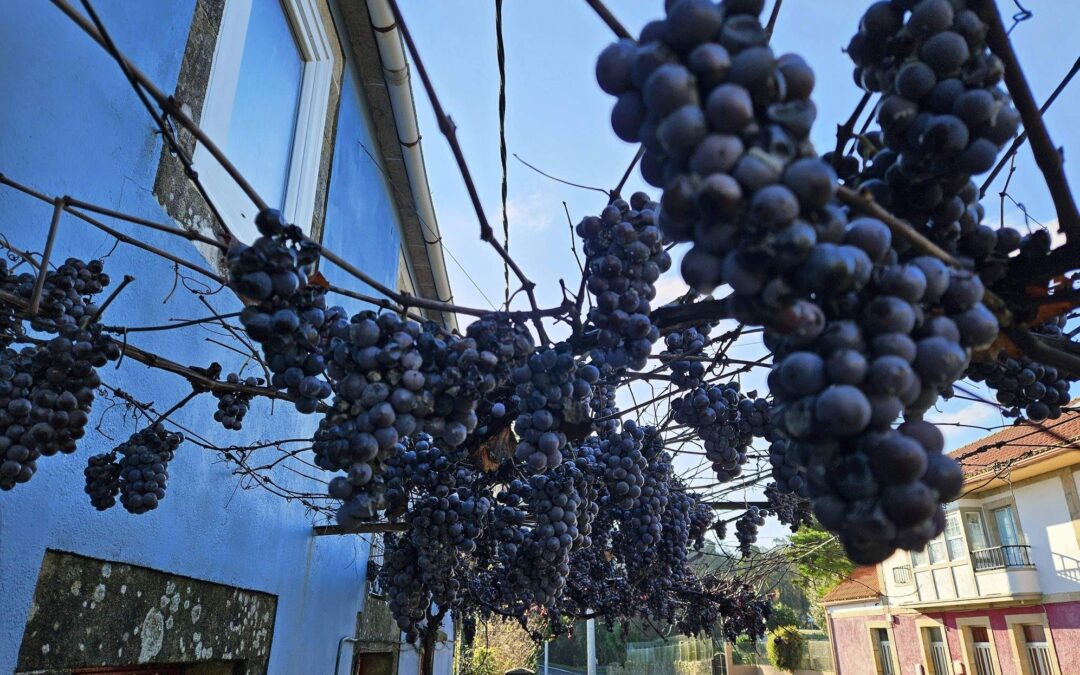
Cross-border ‘camino’; stage 9
I left Codeseda on a chilly, misty morning which promised to be dry. This penultimate stage of the Camino da Geira e dos Arrieiros, which goes to Pontevea, is not a difficult one. It measures 26km with around 230 metres of ascent. Despite the large...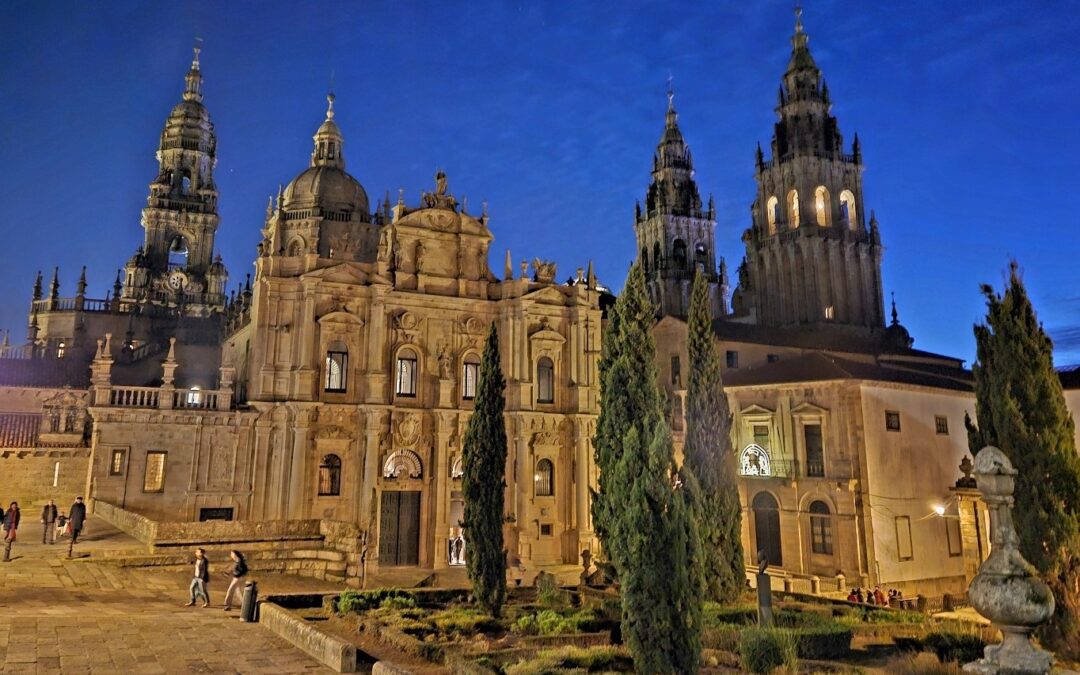
Cross-border ‘camino’; final stage
“¡A Santiago!” It was a shout from an elderly resident as I passed through a Galician village; meaning, ‘to Santiago!’ A traditional call of encouragement to pilgrims. The rucksack and peculiar headwear must have given me away. I...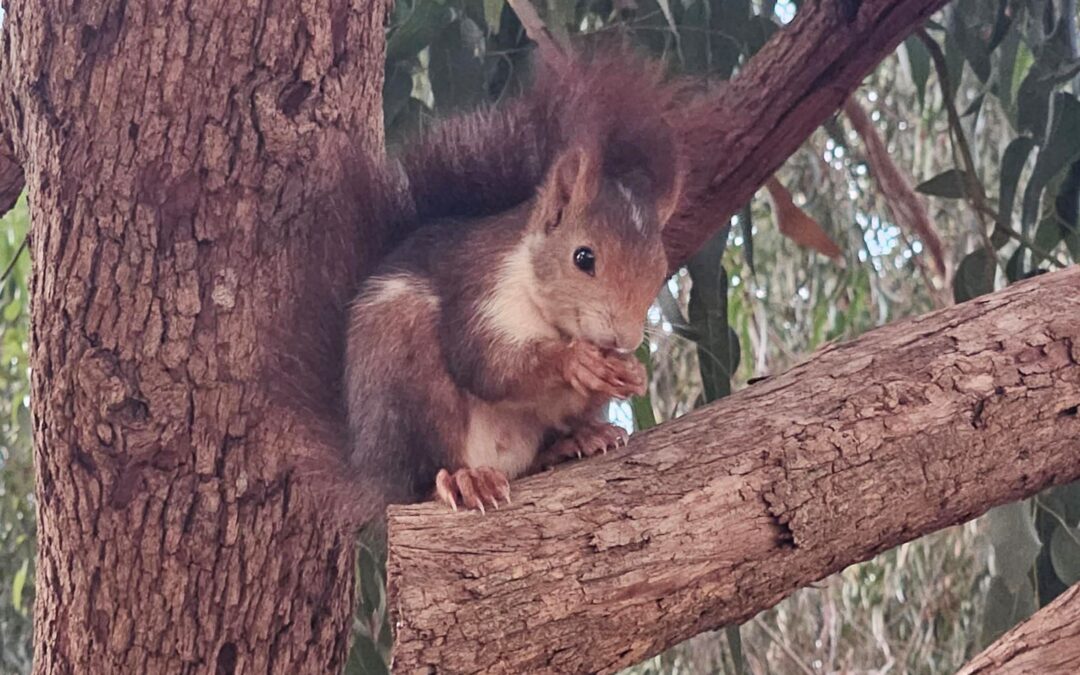
The squirrels’ tale
The squirrel population is on the rise in La Mata-Torrevieja natural park. The largest numbers are found around the picnic area on the southern shore of La Mata lake. Here they have access to food most of the year round; and tall pines and eucalyptus...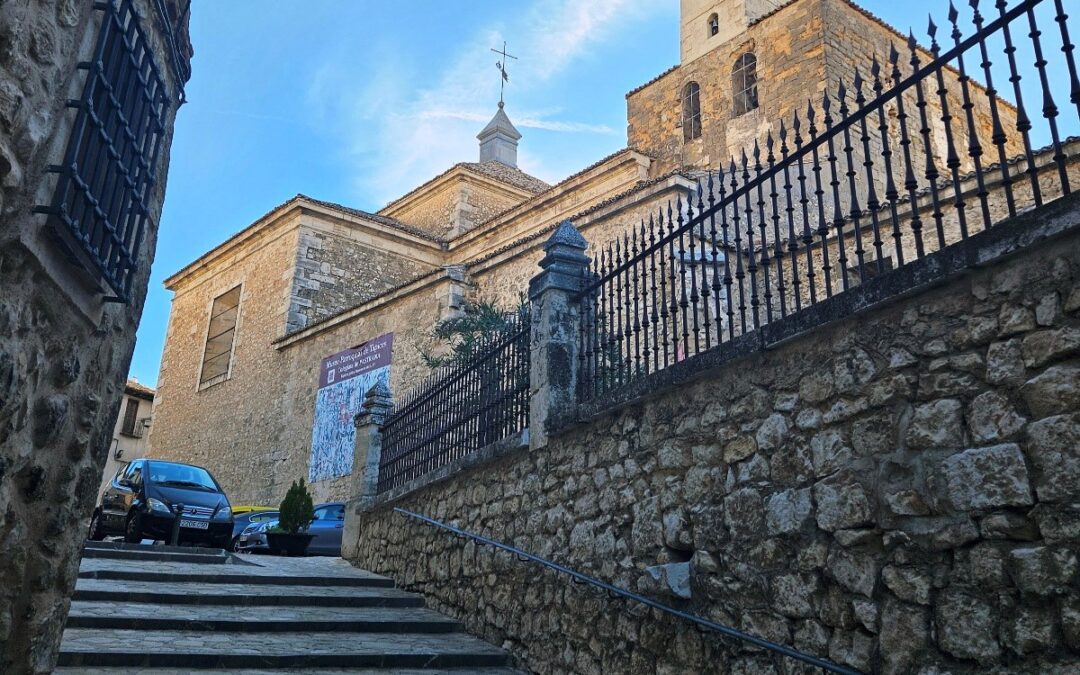
The Emptied Spain
Away from the coasts, but not necessarily that far from the big cities, lies La España Vaciada; the Emptied Spain. The term ‘España Vaciada’ isn’t one that I have made up on the hoof; it has become a political movement in recent times, as well as...
It isn’t just about the olives
The alternative headline for this piece is ‘underneath the arches’; with the emphasis on the plural because there are a lot of arches to walk under in this historic town in the north-east of Aragón region. Anyone arriving in Calaceite and seeing the fields...
Recent Comments