


Big, beautiful bird bids to beat extinction threat
A conservation effort to save a ‘giant’ species of grouse from extinction in the Cantabrian mountains is having some success. The Capercaillie (Tetrao urogallus) can be found in high mountain forests in two areas in the north of Spain. The population in...
Lynx cubs born in the wild in Murcia
Two Iberian lynx cubs have been born in Murcia, the first since the reintroduction programme of the large cat began in the region at the beginning of 2023. “This is a historic moment in the conservation of this emblematic species, which comes just two years...
Turtle time is here again
The loggerhead turtle nesting season is here; and all beachgoers are asked to be vigilant. More and more of these endangered marine reptiles are choosing to lay their eggs along Spain’s Mediterranean coast, far from their traditional nesting grounds in Turkey,...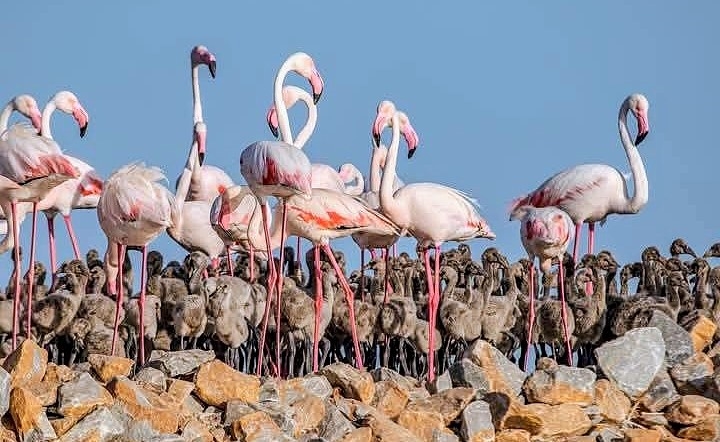
In the pink; flamingo breeding boom in Torrevieja
Flamingoes are nesting for the sixth year in a row at Torrevieja lake, producing many hundreds of chicks once again. The phenomenon started at the lagoon during the Covid lockdown in 2020, when all human activity at the salt lake ceased and the birds chose a raised...
Giant ray beaching mystery under investigation
Around 20 spinetail devil rays have beached in separate incidents this spring along Spain’s Mediterranean coast, sparking a wide-ranging investigation. Also known as giant devil ray or devil fish (Mobula mobular), the Valencia-based Oceanogràfic foundation...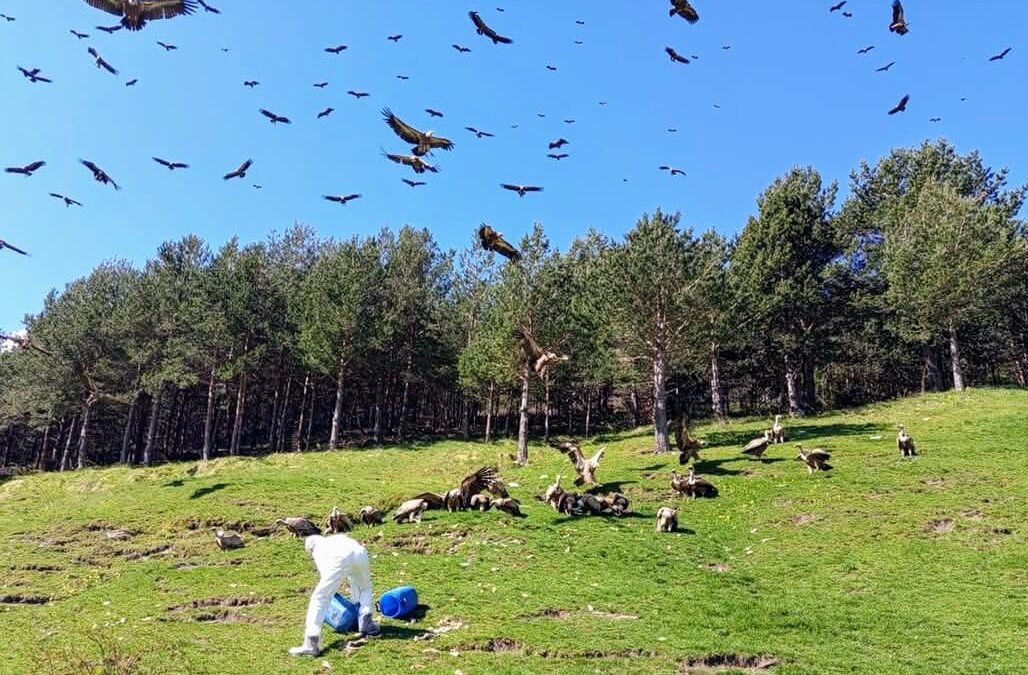
The best vulture restaurant in town
Staff from the Ordesa y Monte Perdido national park provide food for carrion feeders all year round. They reported today that most of the birds that arrive at the site in Escuaín in the Pyrenees of Huesca province are vultures. “The larger bones are chopped up...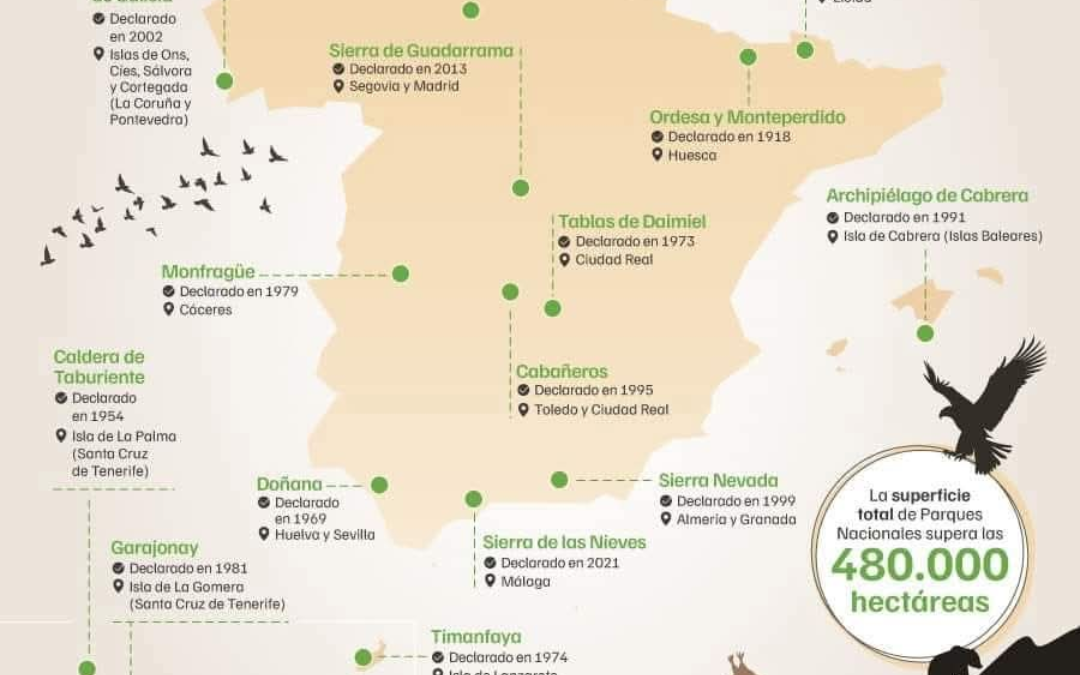
The best of nature in the national parks
Spain has 16 national parks – the highest level of protection available in the country. This very important instrument for conservation has been in existence for more than 100 years. The first two ‘parques nacionales’ were created in 1918 in mountainous...
Wet spring brings relief for reservoirs
Abundant precipitation in Spain in recent months has boosted the amount of water stored in the country’s reservoirs, noted the ministry for the ecological transition (Miteco). Miteco reported that on average across the country, they stand at 77.5% of total...
‘Bone breaker’ starts to thrive in south of Spain
The numbers of bearded vultures, known in Spanish as ‘bone breakers’ (quebrantahuesos), are on the up in eastern Andalucía following a very successful breeding in captivity programme. This amazing bird had become extinct in Spain’s southern-most...
Essential information about conditions on Pyrenees paths
The walking season in the Pyrenees on high-mountain paths without using snow shoes or crampons usually starts in June, depending on how much snow falls during the spring. Mountain lovers preparing to hit the trails, or launch on the GR-11 trans-Pyrenean footpath, can...
Recent Comments