
There are few things you need to do before setting out on the Camino da Geira e dos Arrieiros ; not least, getting to Braga in Portugal, which might take some time.
Starting in Alicante, there are a few options.
I took a high-speed train to Madrid (see websites of Renfe and Ouigo, or their apps, for times and offers). From Madrid, it was a Renfe train to Salamanca, which departed from the same station, Chamartín.
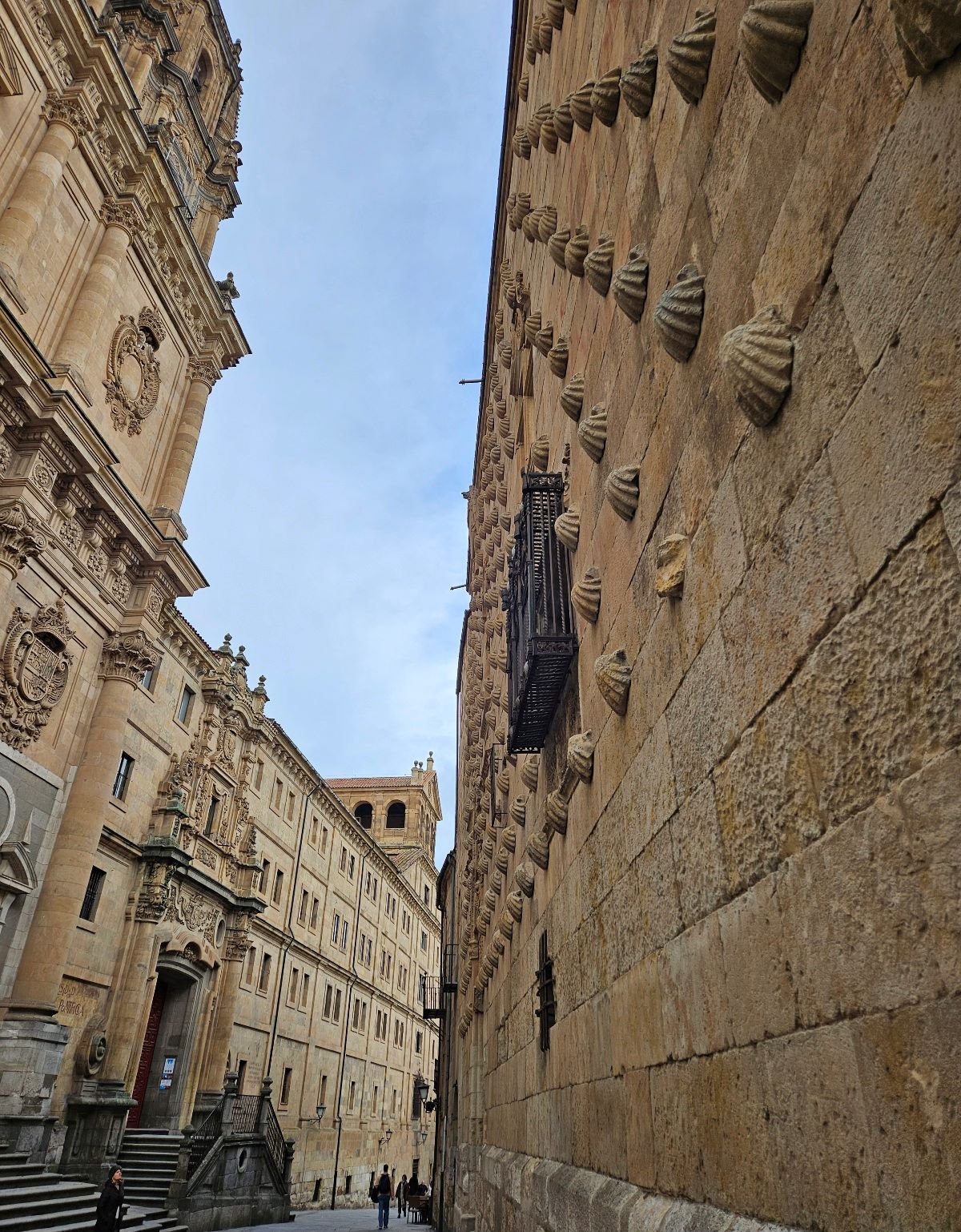
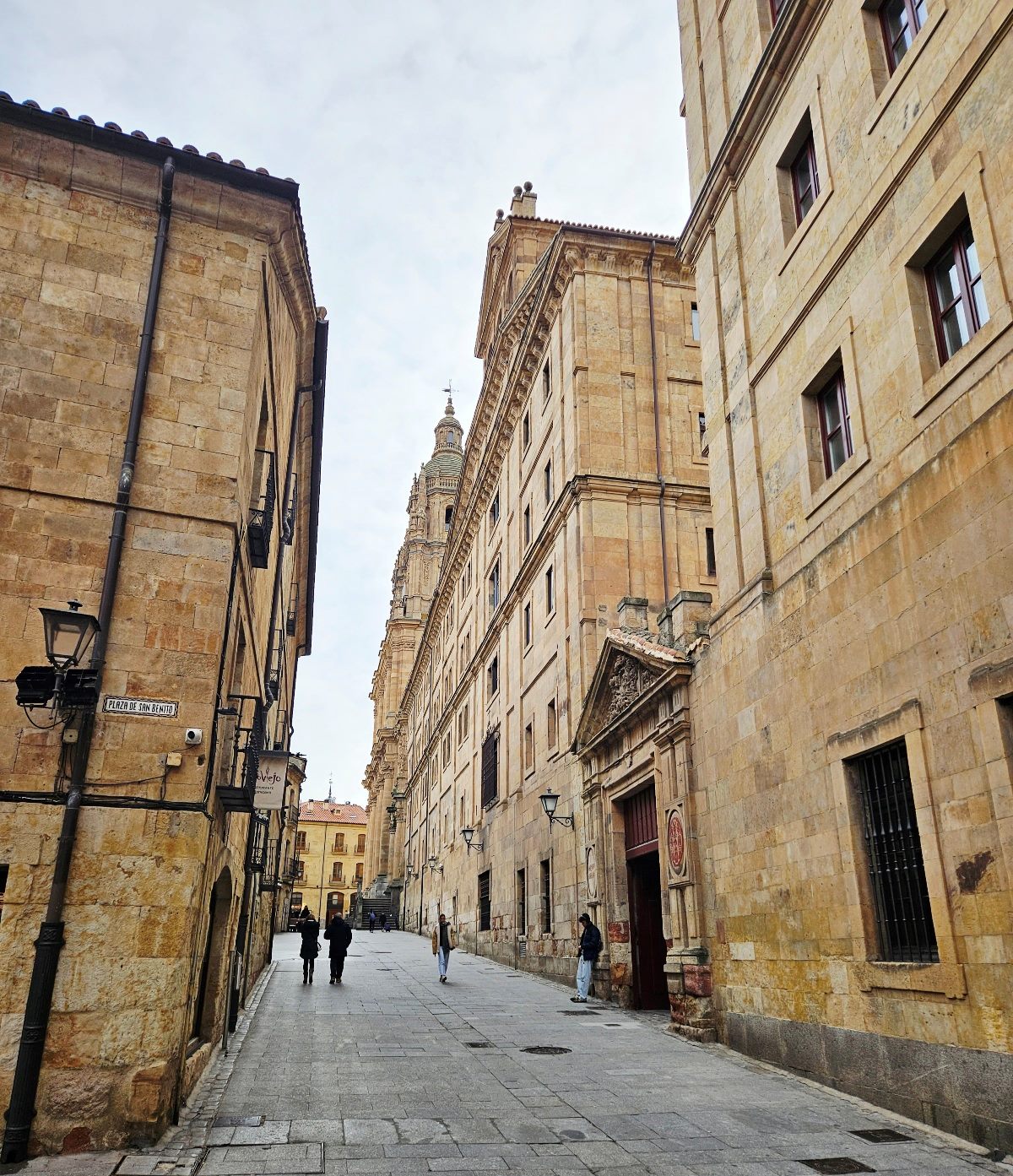
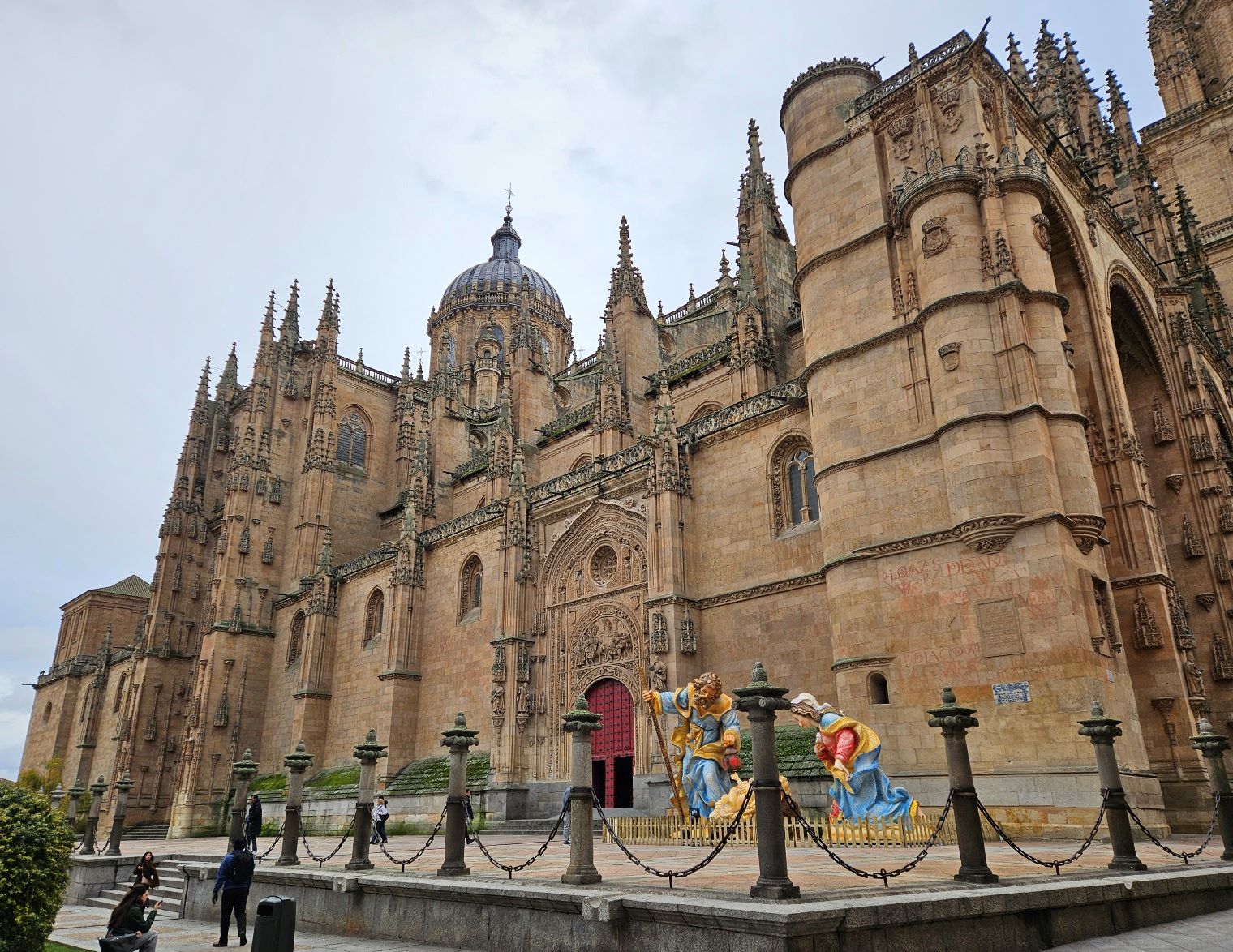
The fastest option takes 1hr40mins and there are regular services every day; I had a night in Salamanca because I wanted to see this historic city.
From Salamanca I booked a seat on an ALSA bus to Porto, which takes just over five hours (see ALSA website or app). Remember Portugal is one hour behind Spain and has the same time as the UK.
Then it’s less than an hour by bus from Porto (same bus station) to Braga, with tickets available online from FlixBus and also in the bus station. This is a regular service, at least one every hour.
Another way to do the journey is to get high-speed trains to Madrid and on to Santiago de Compostela, and then a bus to Braga; tickets are available via FlixBus, with the fastest service from Santiago to Braga taking 2hrs20mins.
There is plenty of accommodation in Braga, which is a small-ish city. Options can be viewed via booking.com
I stayed in Hotel Dora, which was reasonably priced, comfortable and a five-minute walk from the central zone of Praca da República, where the tourism office is situated.
Pilgrim passport
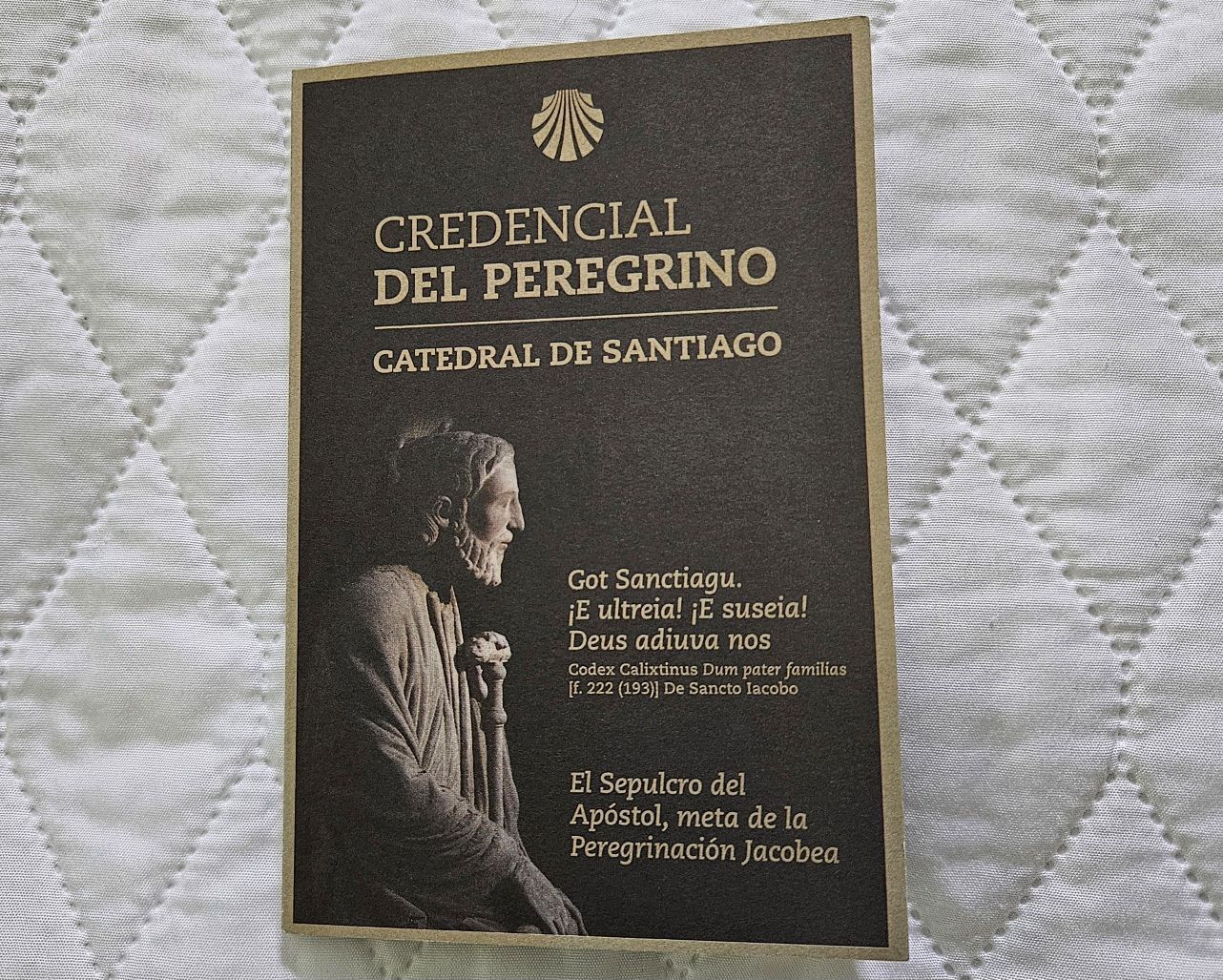
You haven’t got to have faith to be a pilgrim. But one thing that is handy to have with you is a ‘credential’ (‘credencial’ in Spanish), which is a kind of pilgrim’s passport.
It is a folding document that the walker acquires before starting. It can be purchased from either the cathedral or tourism office at a cost of €2 (cash only!).
It only takes a minute to get your ‘credencial’ from the tourism office.
The passport allows access to pilgrim accommodation. Walkers are supposed to get the pages stamped each day, particularly at the hostels/hotels they stay in. Proof of pilgrimage.
There are reduced prices at some establishments for pilgrims who have the ‘credencial’; and a free hostel in Beariz for those who can show they are on the pilgrimage.
On arriving in Santiago, pilgrims who have had their passport stamped at regular intervals are able to claim their ‘Compostela’, if they want it.
This is the document which accredits that they have completed a pilgrimage to the tomb of St James.
However, they have to fulfil certain criteria. The Church authorities note that ‘in modern times the Compostela is only handed out to those people who have travelled to the tomb of the Apostle for religious or spiritual reasons’, or to those who are ‘searching’ (for faith).
They also need at least two stamps a day in their passport, preferably from churches, monasteries and hostels linked to the pilgrimage.
Stamps can also be gleaned from other places such as town halls or cafes. Some bars also offer the service; beer and stamps.
Recent Comments