
Away from the coasts, but not necessarily that far from the big cities, lies La España Vaciada; the Emptied Spain.
The term ‘España Vaciada’ isn’t one that I have made up on the hoof; it has become a political movement in recent times, as well as physical reality.
Large swathes of inland Iberia have become depopulated over the last century, or ’emptied’ of inhabitants.
Young people have moved away from the villages and towns to big cities and the coast, in search of work and perhaps an easier or different way of life; and older folk have not been replaced as they have passed away.
The loss of population from a host of Spanish provinces including Teruel, Soria, Badajóz, Zamora, Jaén and many others creates a wide range of challenges.
The abandonment of rural farms has increased the risk of devastating forest fires as temperatures rise. And when they occur the aftermath makes life much more difficult for residents in the affected areas.
On a different level, some villages no longer have a bar where residents can socialise; the heart of their communities has been taken away.
Dozens of villages have been completely emptied of people; many more have seen the population fall to levels which verge on the unsustainable.
The solutions to the problem are complex; and some municipalities have had success, encouraging new residents to move in with offers of grants, improving healthcare, better internet, etc.
When prices in the cities and on the coast have reached crisis levels in many areas, very cheap housing is also a real attraction; as is the possibility of a more tranquil and natural way of life in the countryside.
Ironically, while the lack of jobs had driven people away in the past, some municipalities in the Emptied Spain are now trying to recruit workers who are needed because of the shortage of labour.
Tourism can also play a part, attracting visitors to use local businesses and accommodation.
There is a ‘most beautiful towns in Spain’ list (Los Pueblos más Bonitos de España), which seeks to promote historic sites which have been well-maintained.
I have been to a few of them and each destination has lived up to its billing; people enjoy visiting.
Although it does help, it isn’t an all-encompassing fix.
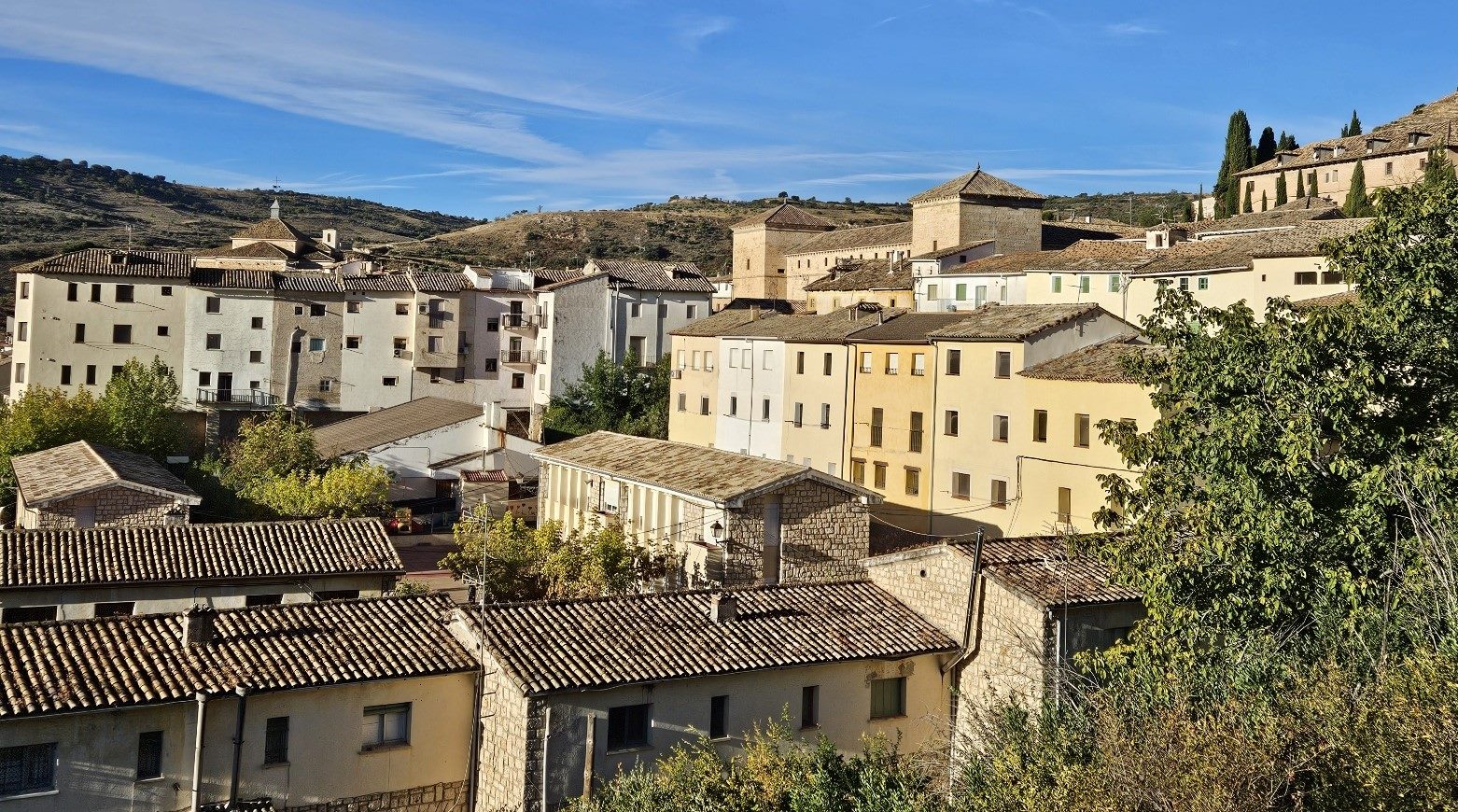
Recently I stayed in Pastrana, in Guadalajara province, which is on the ‘most beautiful’ list.
It’s only an hour by car from Madrid and undoubtedly benefits from tourists arriving from the city.
Pastrana is ‘very rural’ but not too far from arterial routes coming out of the capital.
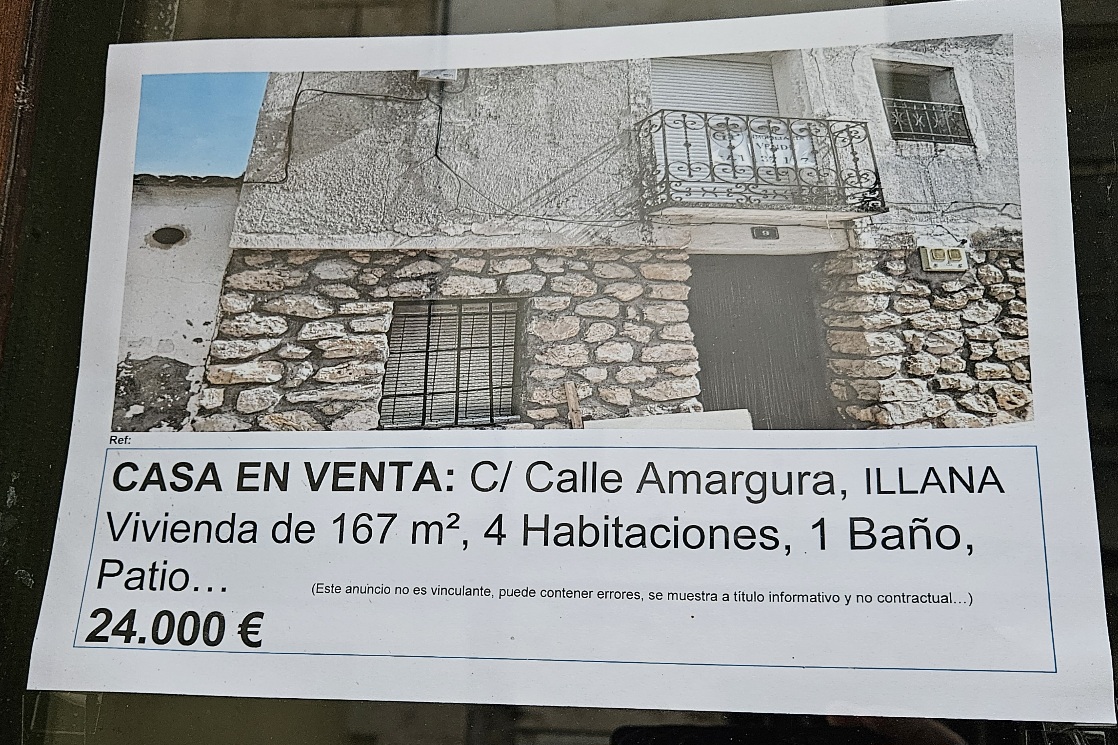
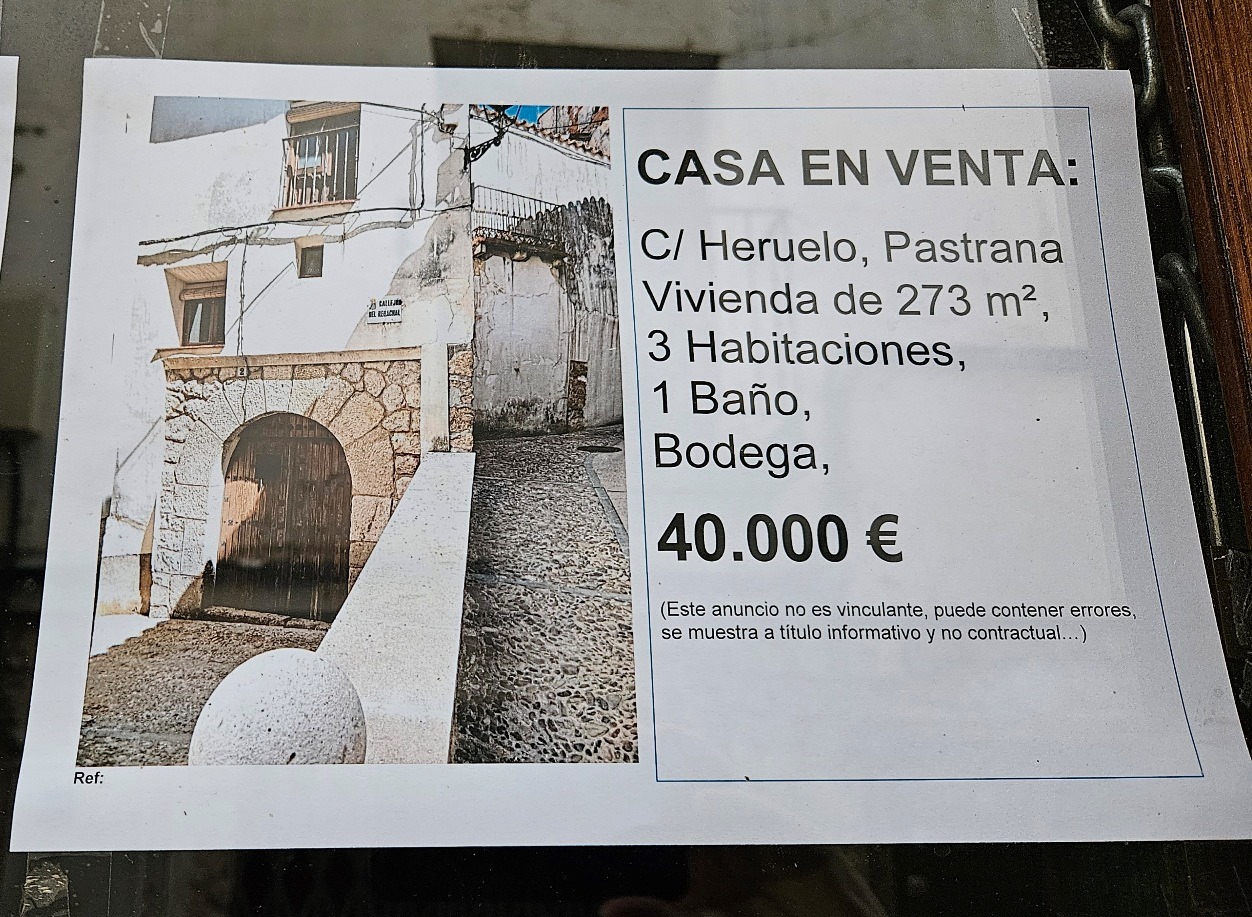
Despite this, a look in the window of a local estate agency reveals jaw-dropping property prices.
Houses for as little as €24,000, which would require additional money to be spent; but numbers which contrast dramatically with those in and around Madrid.
A look at the population figures for Pastrana show how things have gone; in 1950 there were 2,912 residents, which fell to 2,026 in 1970; 1,056 in 1991; and 891 in 2024, which is actually up from 861 in 2021.
The rise in 30 inhabitants in recent years could reflect the desire to move to the countryside after the Covid pandemic and that many people cannot afford to live in Madrid.
At the same time, this cannot hide the fact that Pastrana has lost two thirds of its population in the last 75 years.
And this is one of Spain’s most beautiful towns. Imagine how hard it must be in villages which are not on any lists and never see any tourists.
The issues thrown up by La España Vaciada will require far greater attention from regional and national governments in the coming years if these rural communities are to survive.
Those involved in the España Vaciada political movement are keen to stress that they are not talking about ’empty’ (vacía) Spain, but ’emptied’ (vaciada); places were villages were viable in the past but which have been largely forgotten by the people in power.
Pastrana
Pastrana deserves its spot on the ‘beautiful’ list. Its heyday was in the 16th and 17th centuries and it has a number of historic buildings from that period.
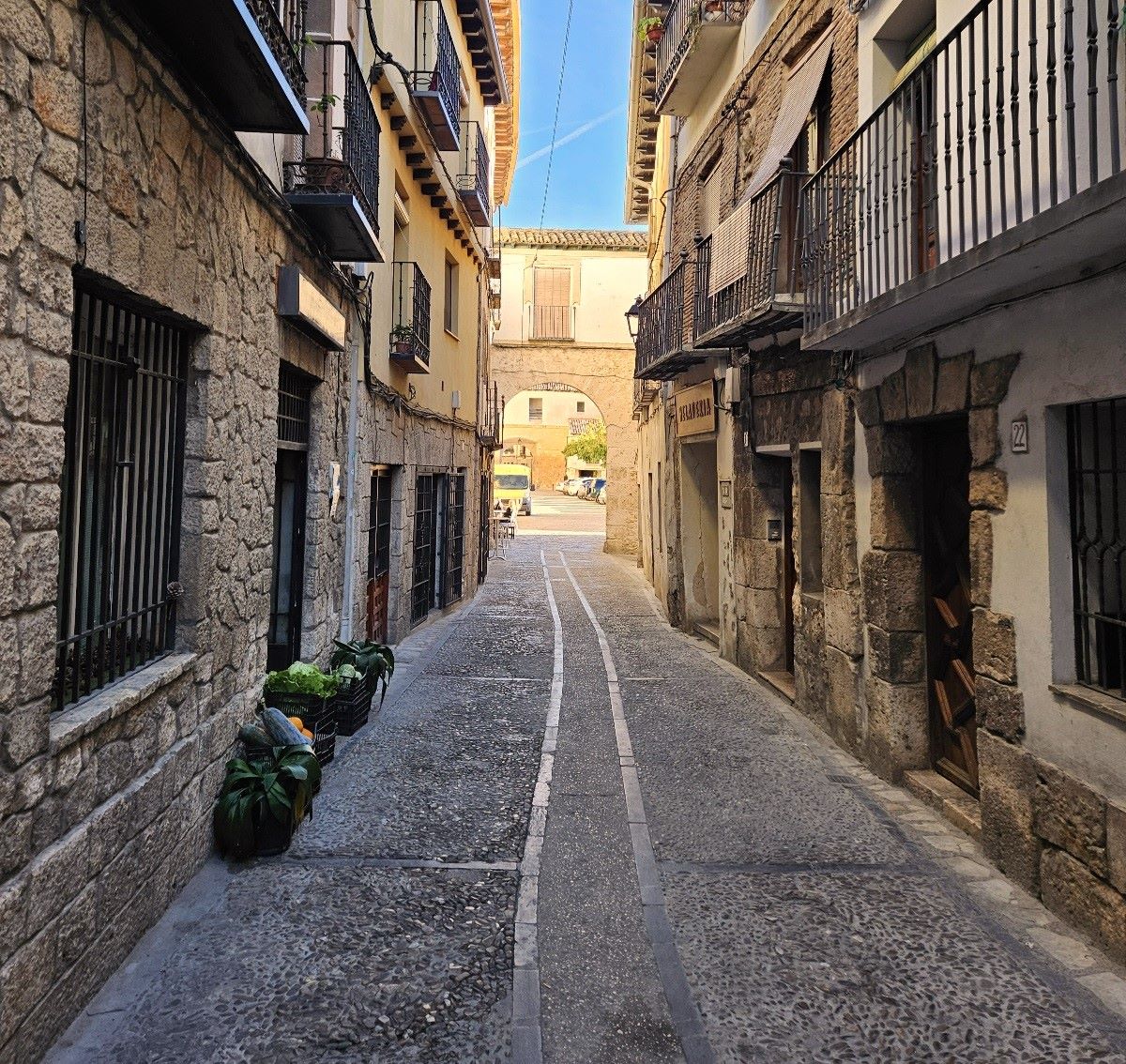
It is easy to walk round and easy on the eye at the same time.
I stayed in Hotel Mayno on Calle Tarancón, the main road running through the town.
It is as good a spot as any to start a tour; my sortie led me up the main road to enter Calle Princesa de Éboli.
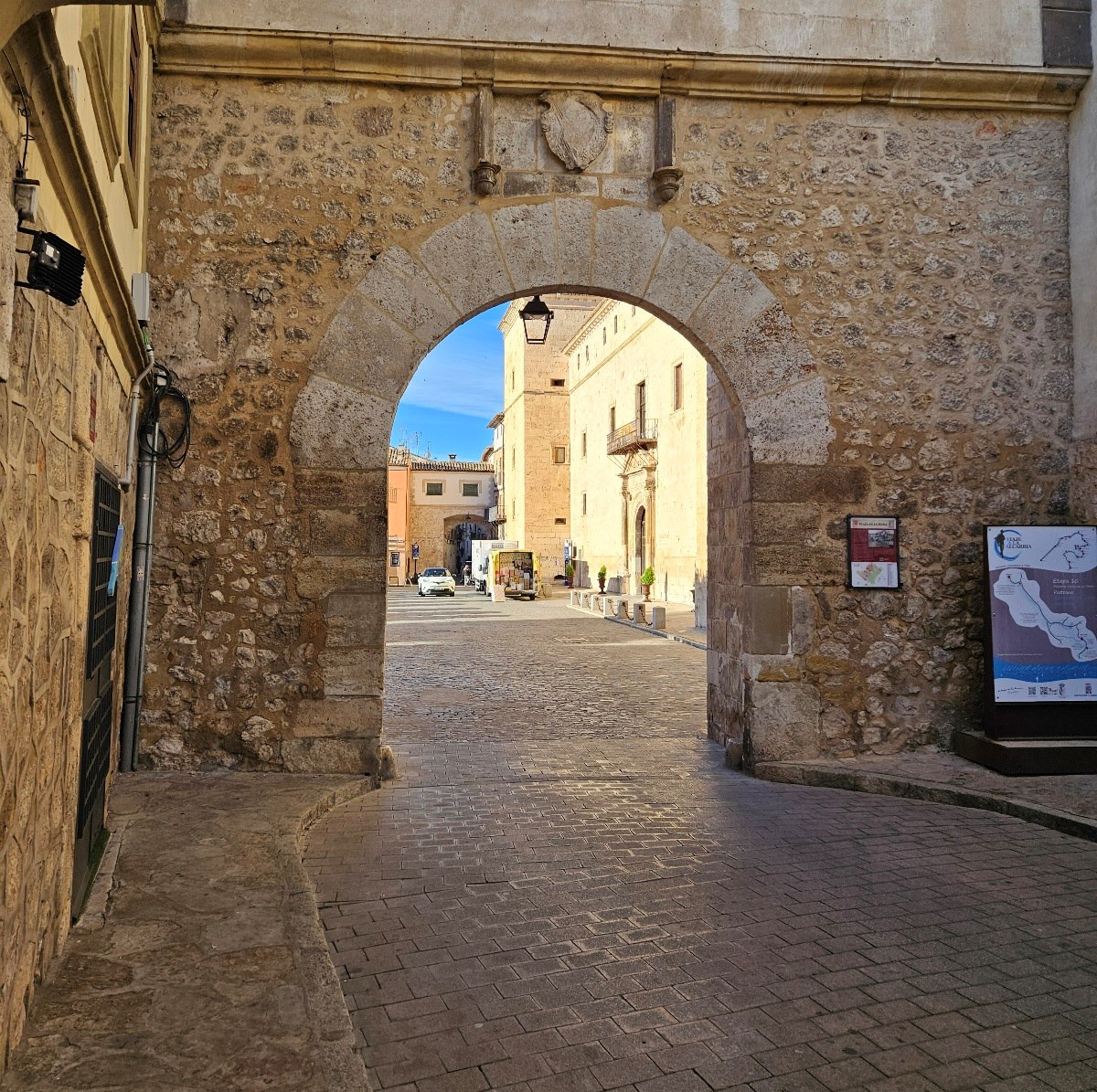
At the end of the street dedicated to the princess, an old gateway ushers visitors into the main square.
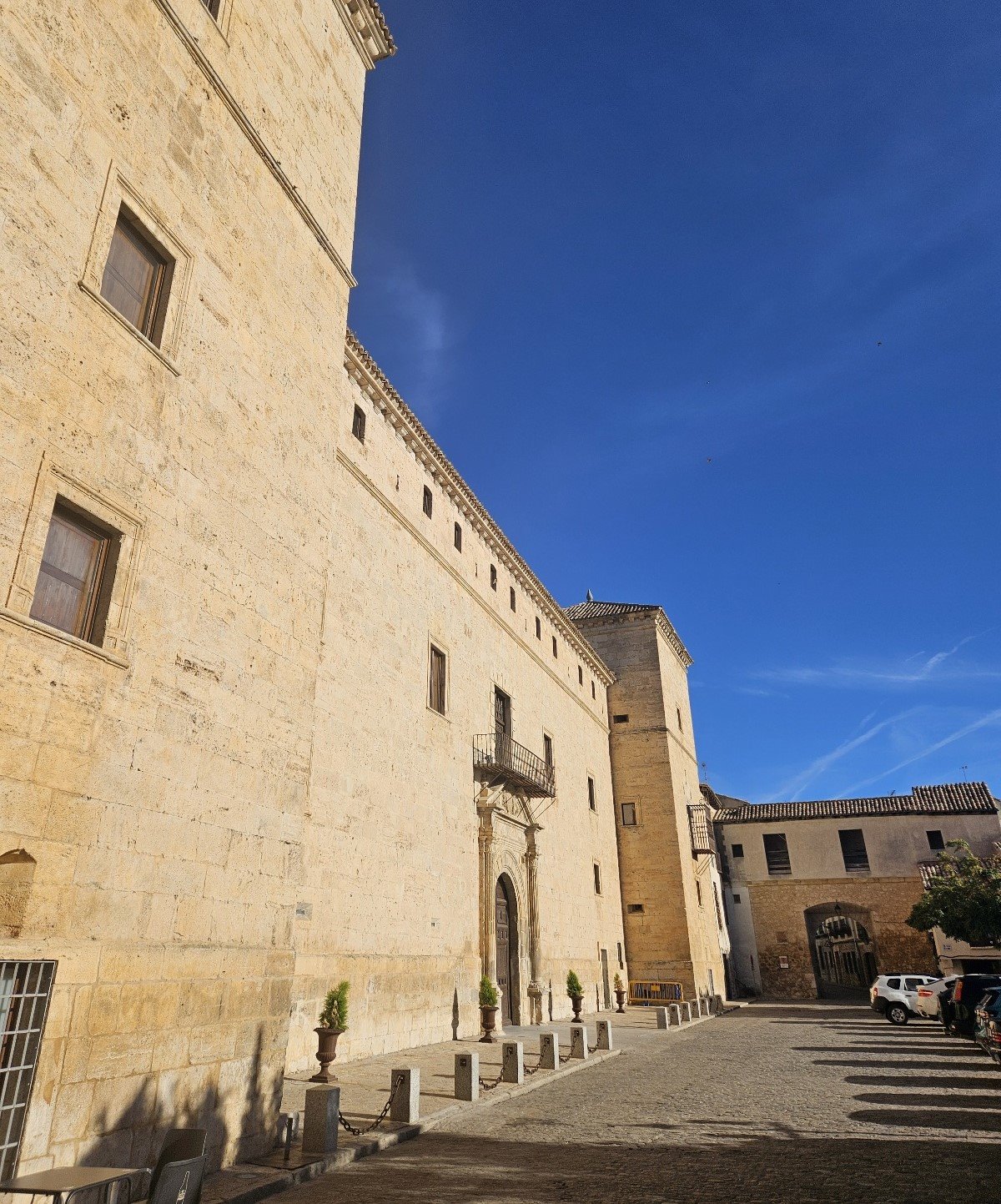
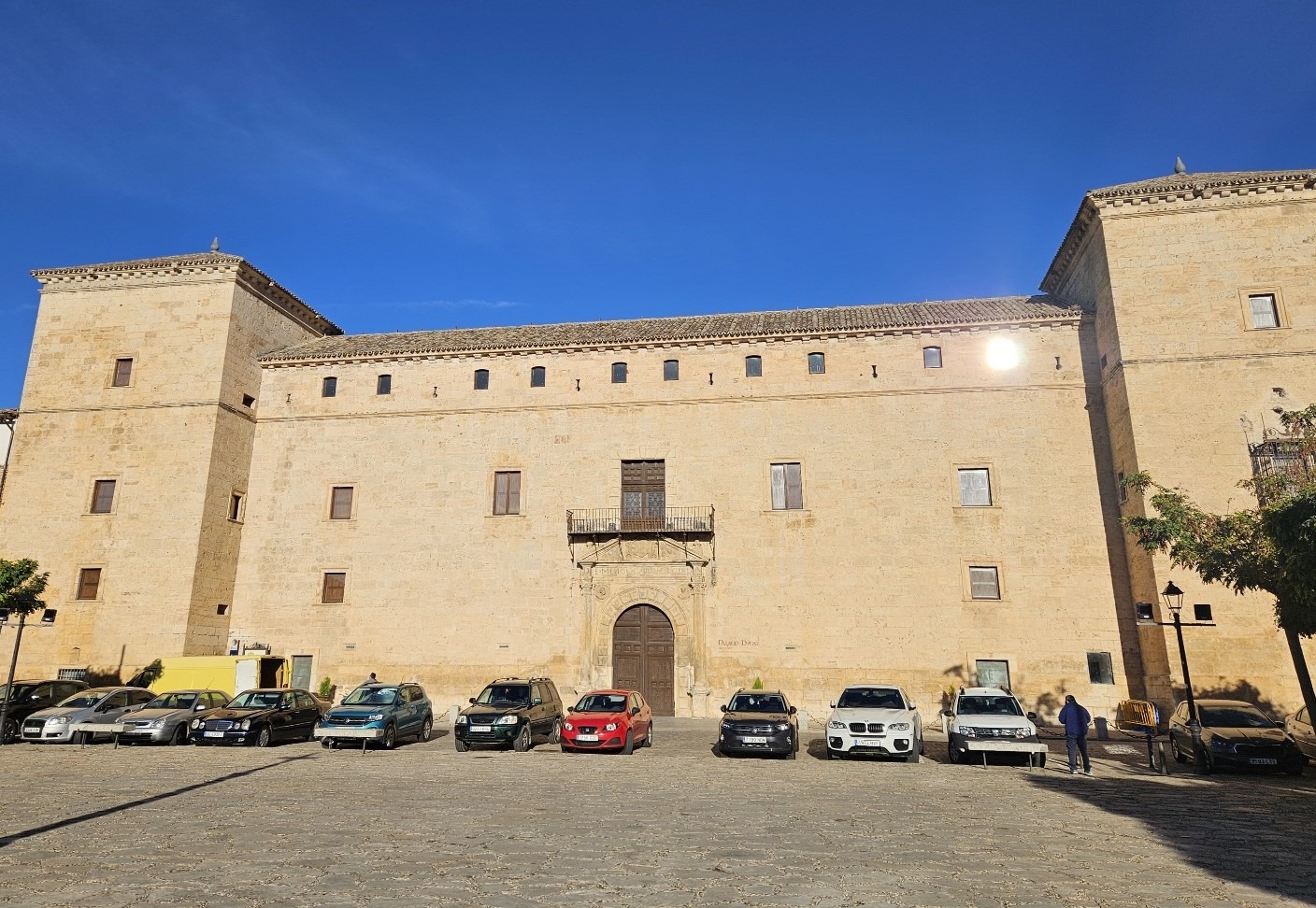
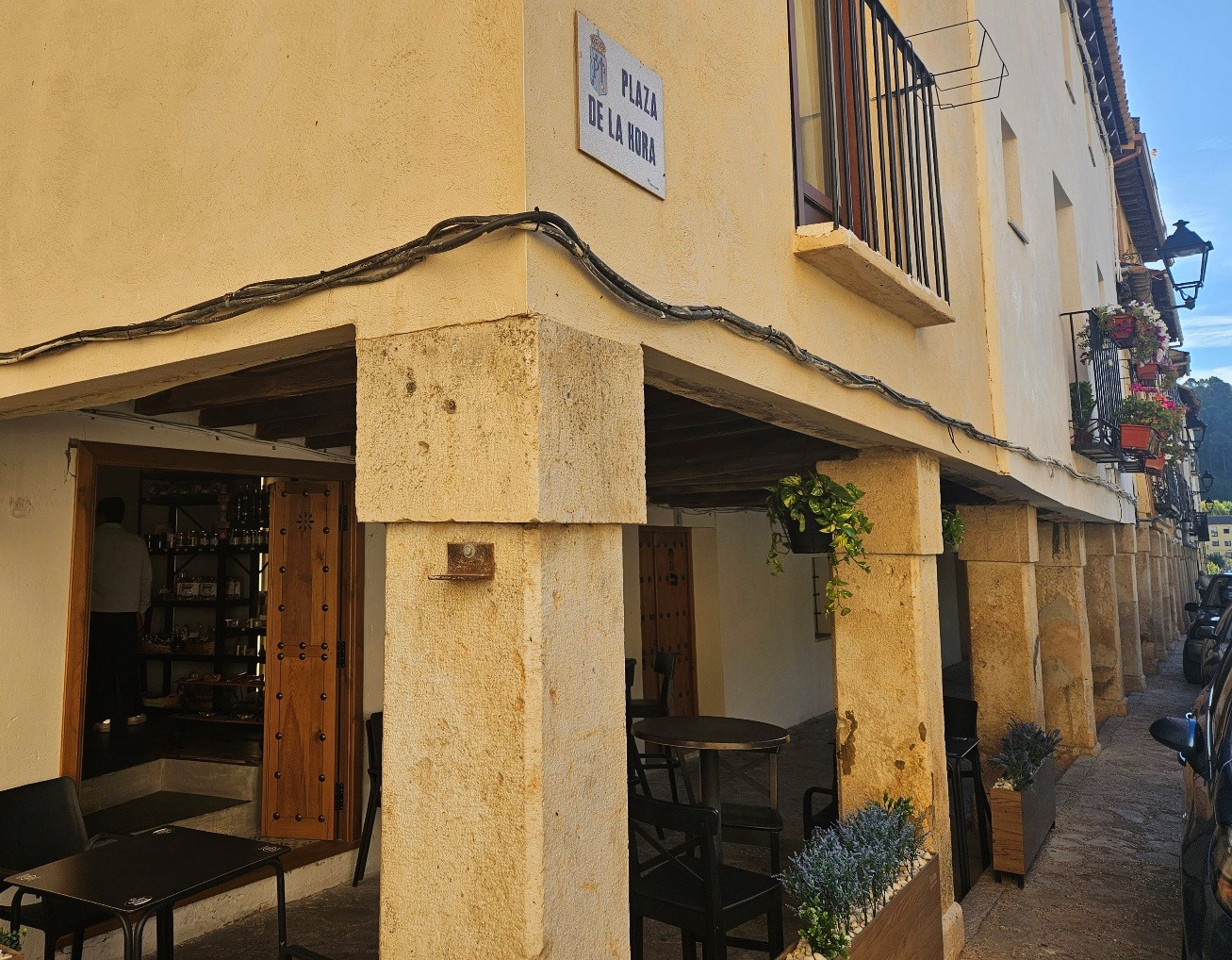
The Plaza de la Hora is dominated by the duke’s palace (Palacio Ducal), a magnificent 16th century building which takes up the whole of one side of the square.
It can be visited along with other monuments in Pastrana; more information from the tourism office on 94 937 06 72.
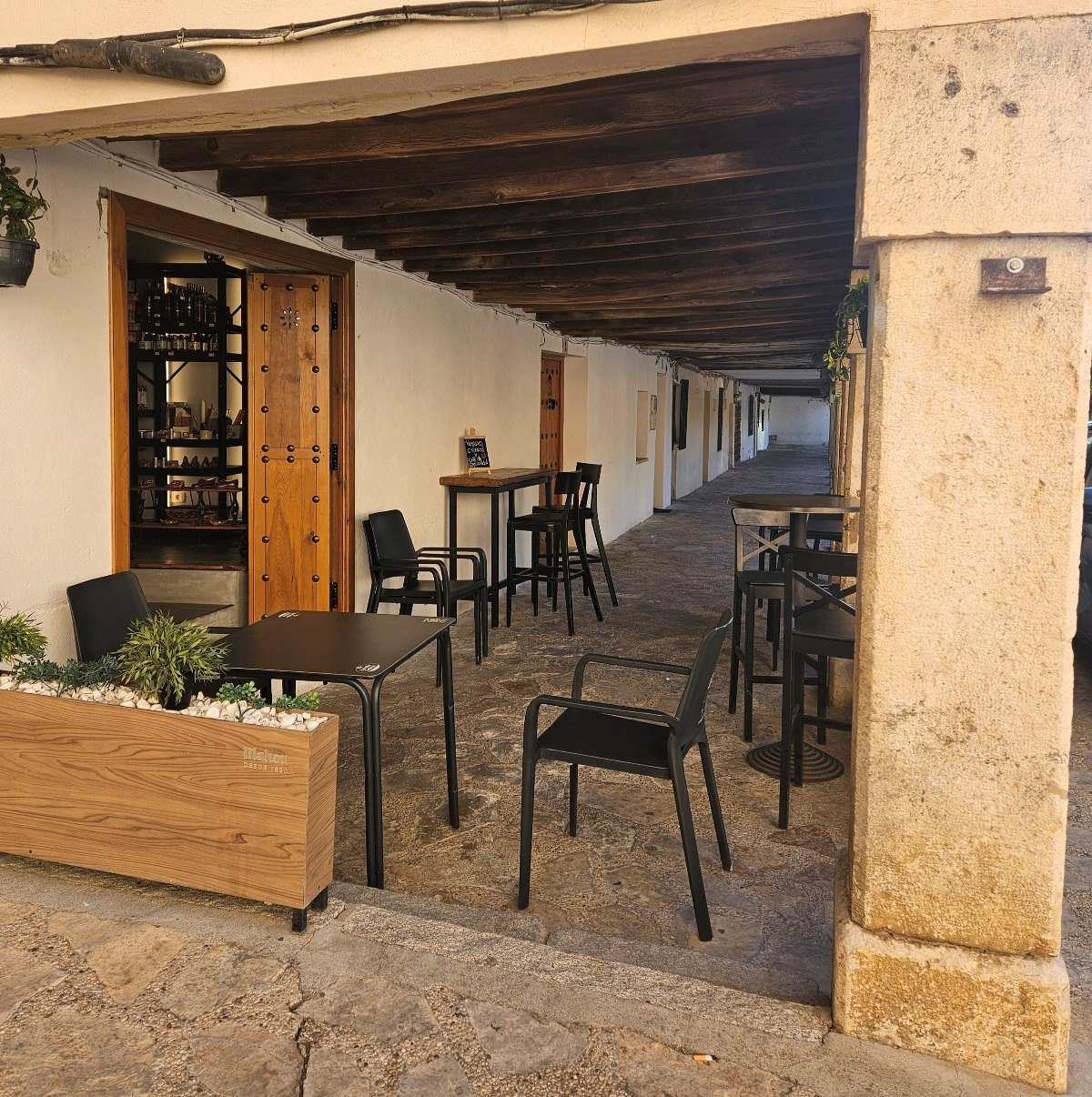
Part of the plaza has a colonnaded walkway which provides shade for shop and bar fronts.
Walking across the square in front of the palace, we come to another archway which gives access to the Calle Mayor.
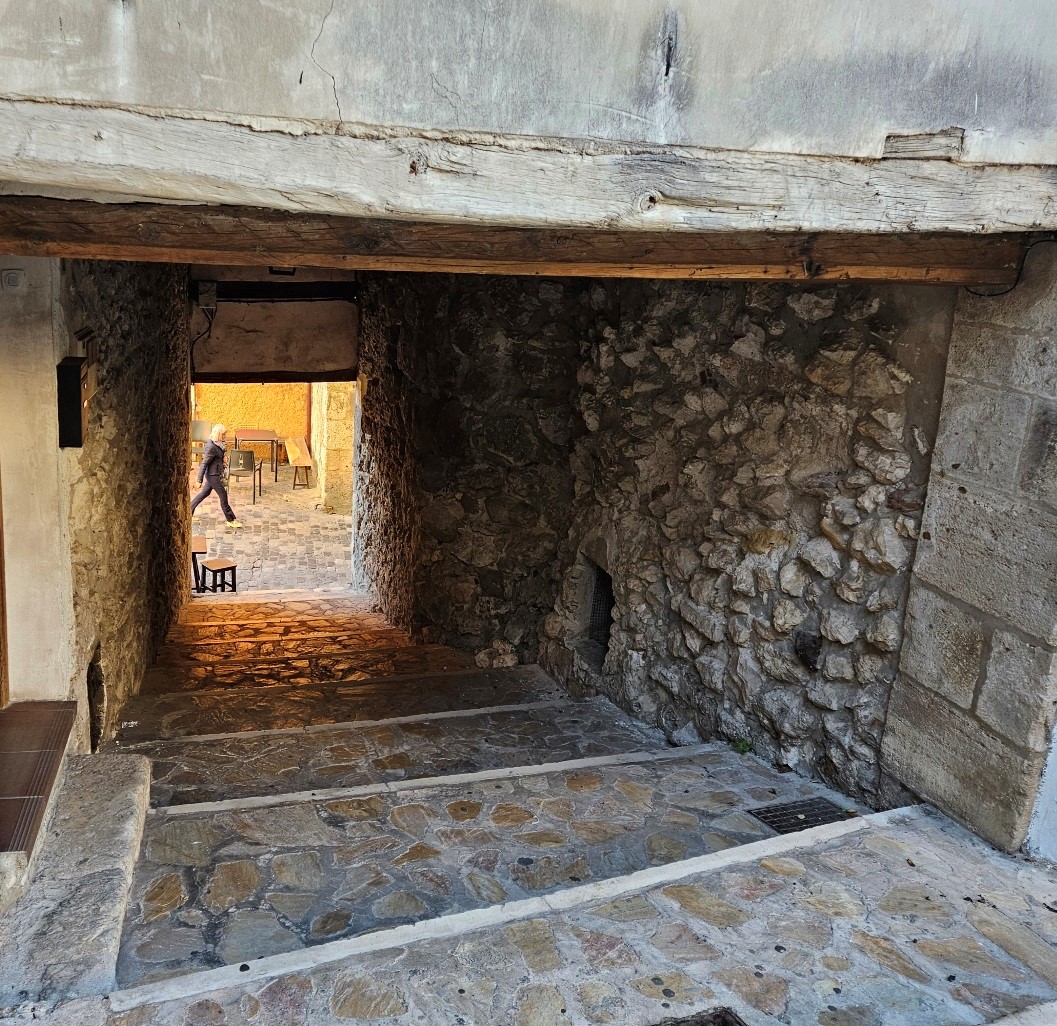
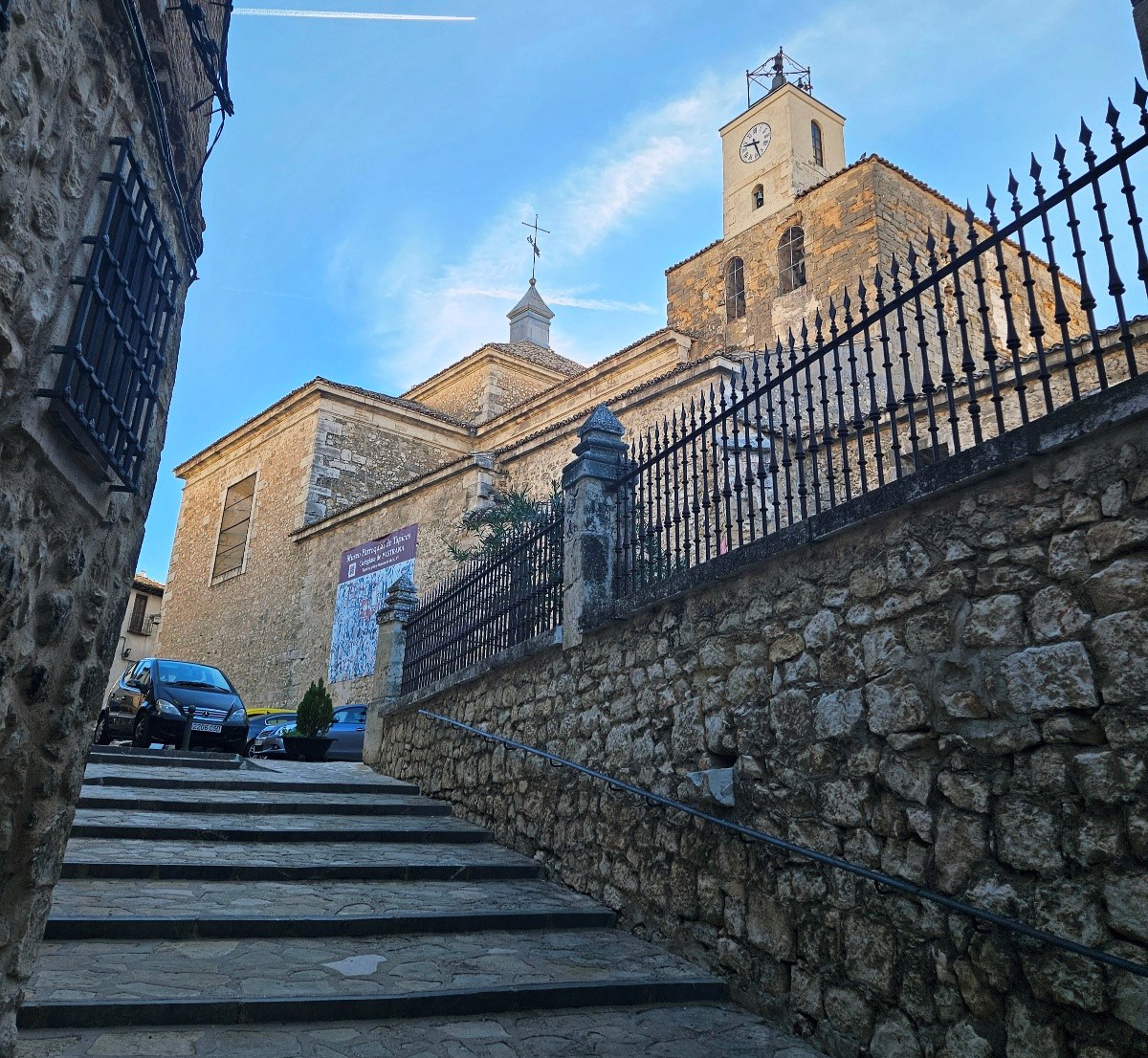
We can head along the high street to see more history but, before doing so, look right after passing under the arch to see a narrow street, the Callejón de Los Toros, which runs up a flight of steps; you will want to go up and down there at some stage.
The Calle Mayor leads to the town hall square and the Asunsión church.
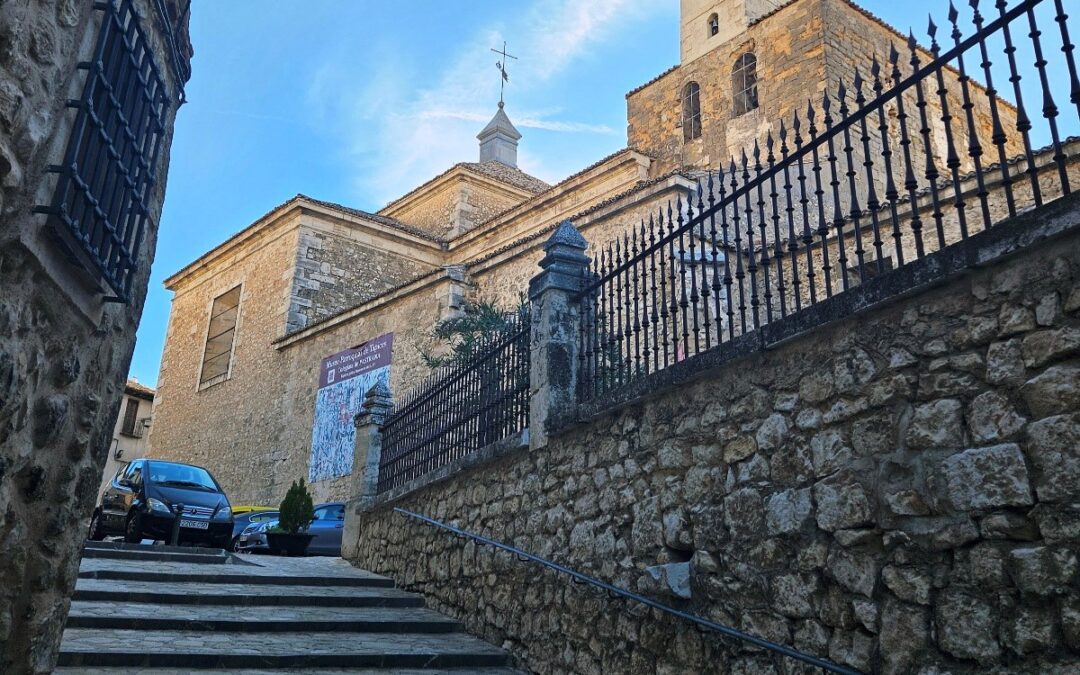
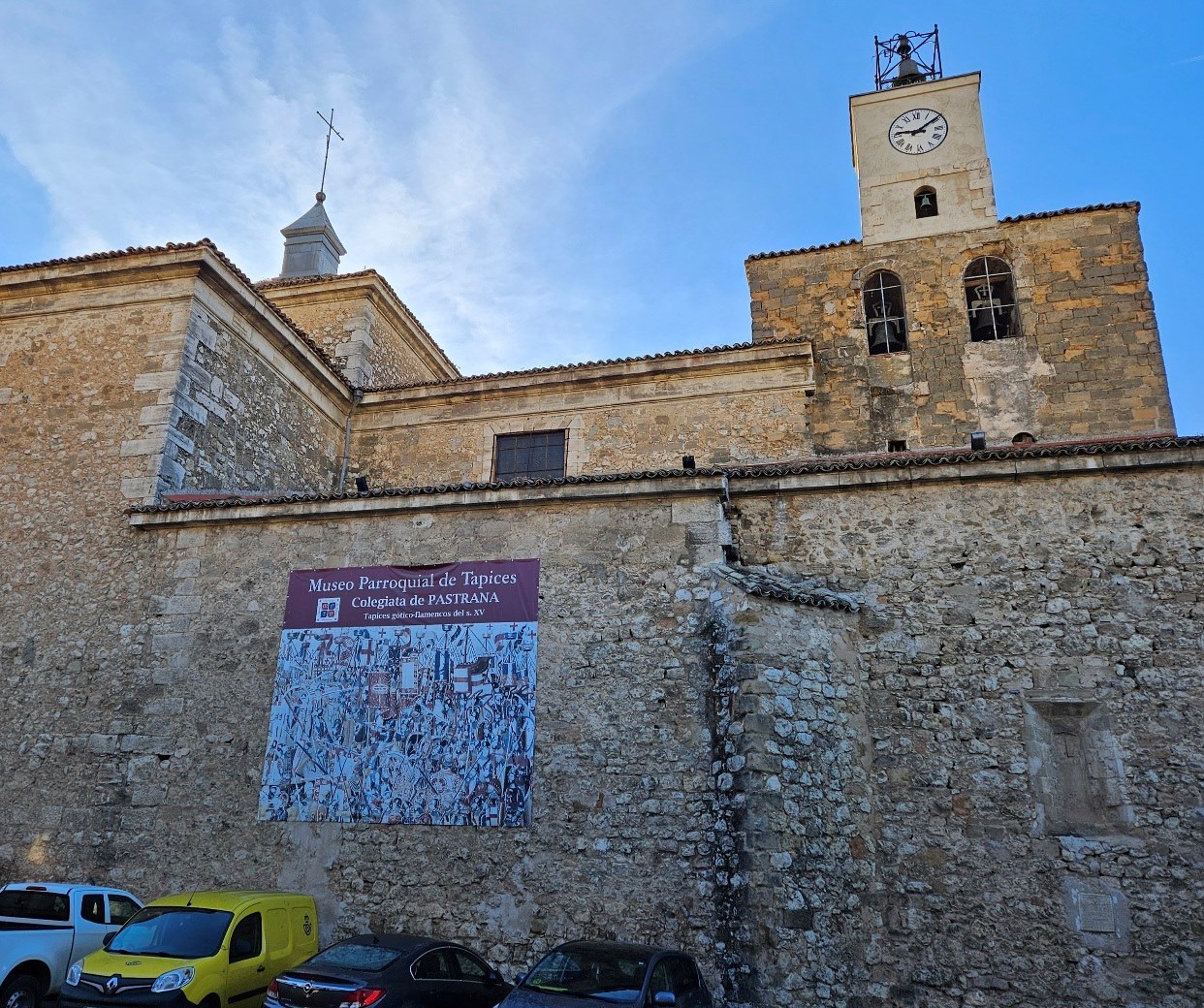
The church was constructed in the 13th century and underwent an extensive expansion in the 17th century, turning it into a sizable edifice which dwarfs the buildings around it. The tapestry museum next door forms part of the structure.
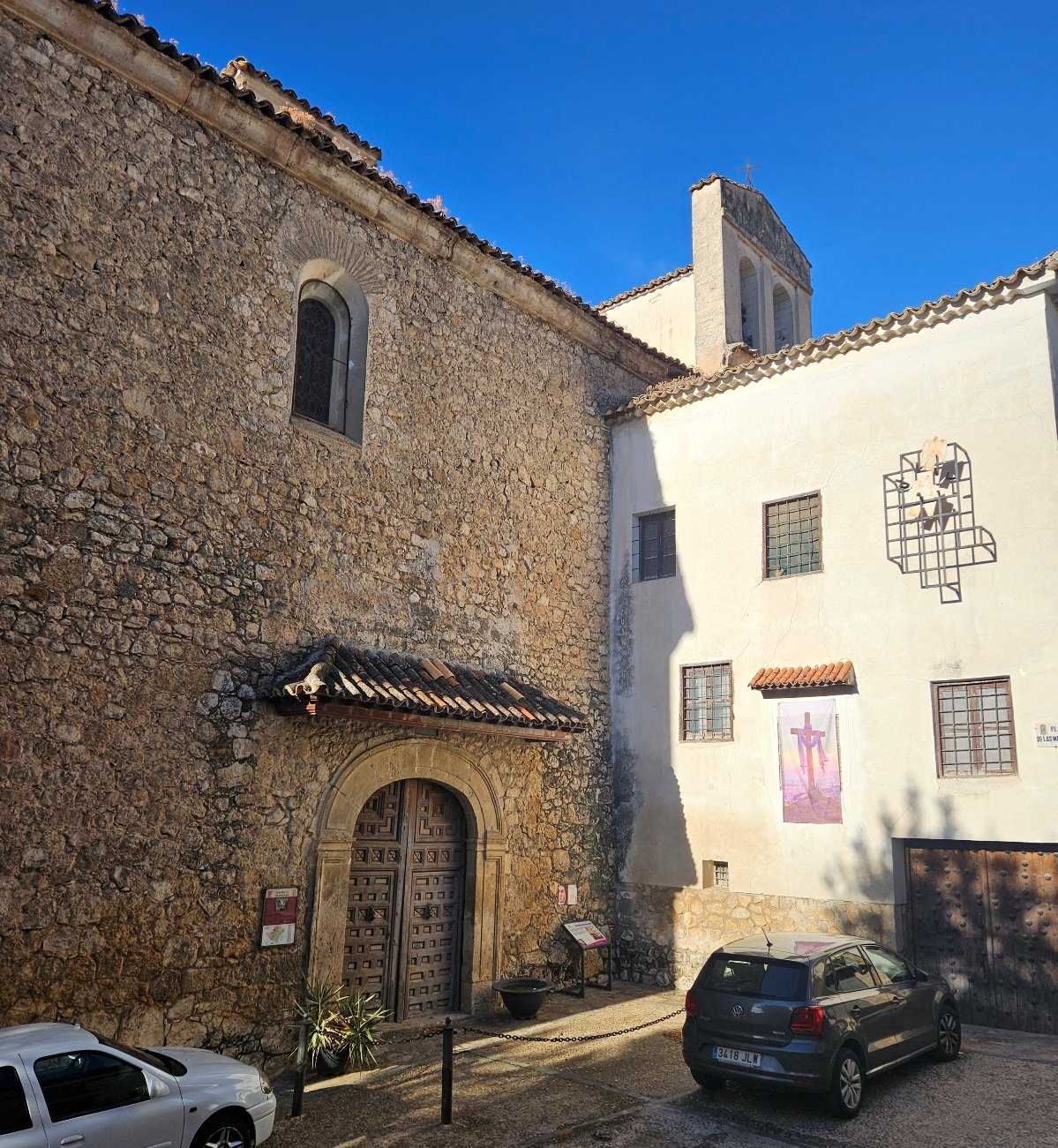
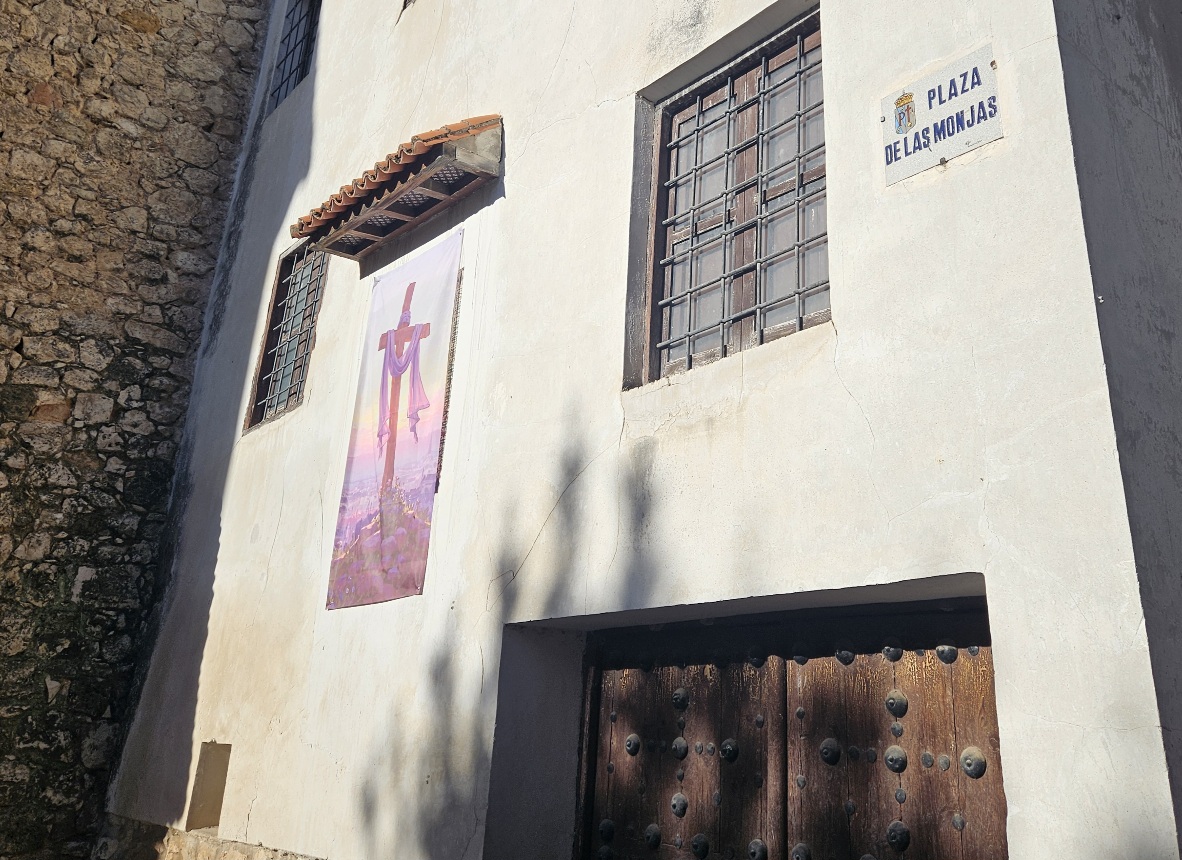
Heading down the steps leading from the square and bearing left, takes the visitor towards the San José convent.
All the historic buildings have plaques on them containing information and a map showing their position in the town, which is helpful for orientation.
The convent is still a going concern; it has been depopulated, but there is still a community of nuns living inside.
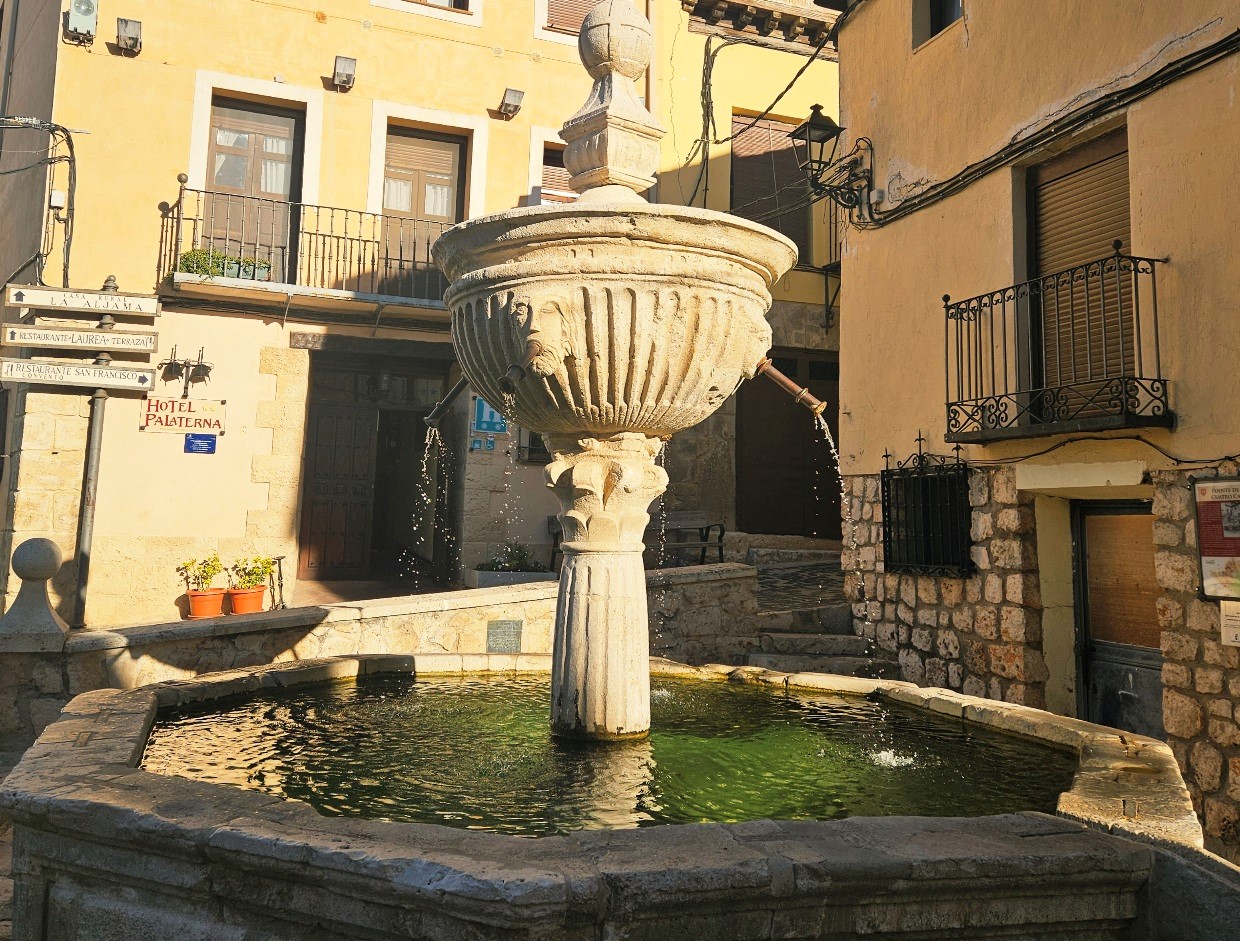
The San José building is at the bottom of the town and a stroll uphill, along with a look at the maps on the way, will bring the walker to the fountain in Plaza de los Cuatro Caños.
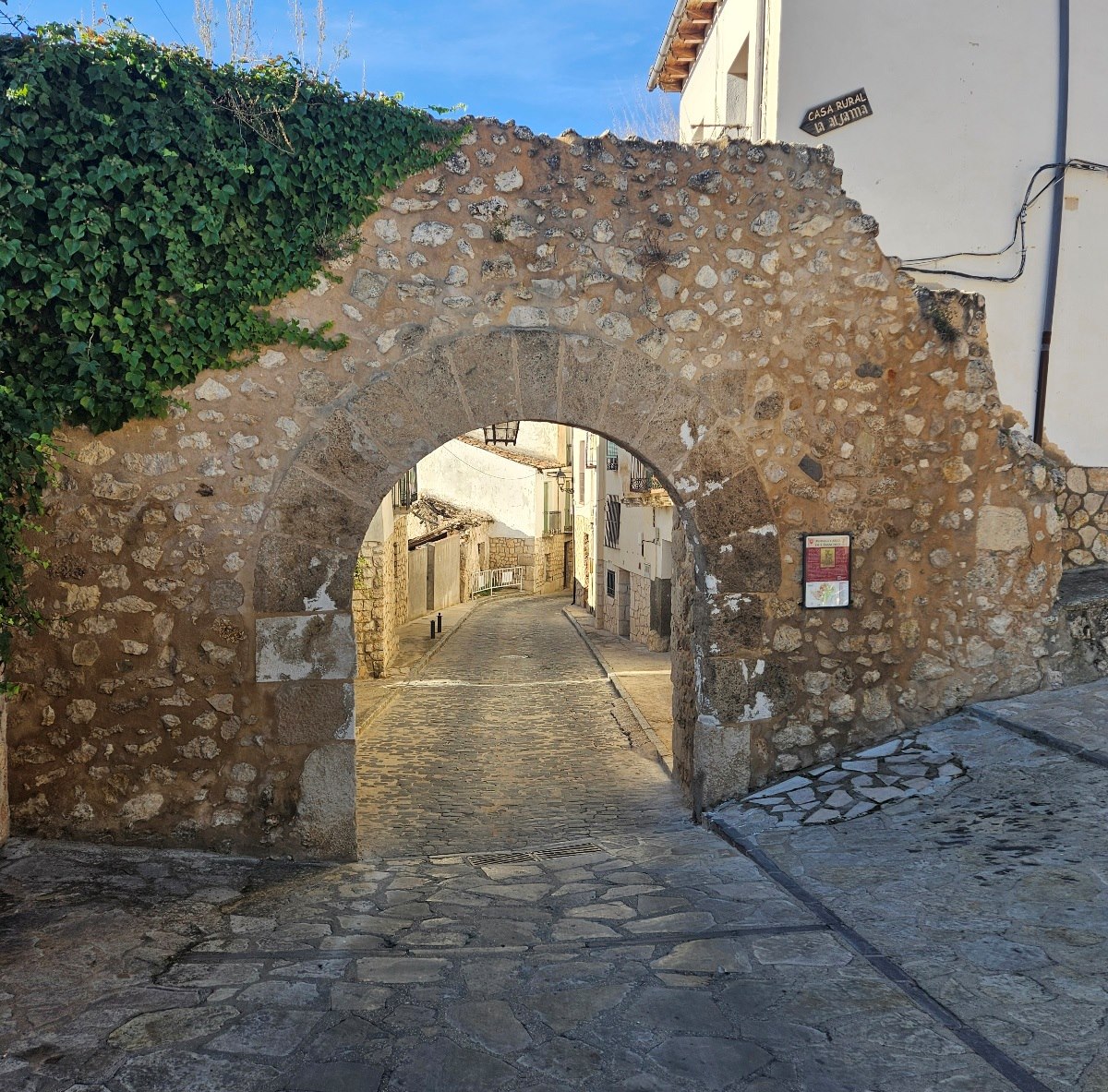
It’s a pleasant spot; the Palaterna hotel is just across the way. A right turn will take us along Calle San Franciso, a necessary move to get to the San Francisco gateway.
Just before the arch, we come to the top of narrow street mentioned earlier which runs up from the exit of Plaza de la Hora. Those will boundless energy will want to have a trot up and down for enjoyment as much as fitness.
Out of San Francisco, it’s a left turn to get to the Plaza del Dean, where the Dean’s ‘palace’ and San Francisco convent await; a right turn will take us back down the main road to Hotel Mayno.
Accommodation options, including the Mayno and Palaterna, can be viewed via booking.com
Hotel Mayno has on-street parking out front, just off the CM-200 main road.
Recent Comments