
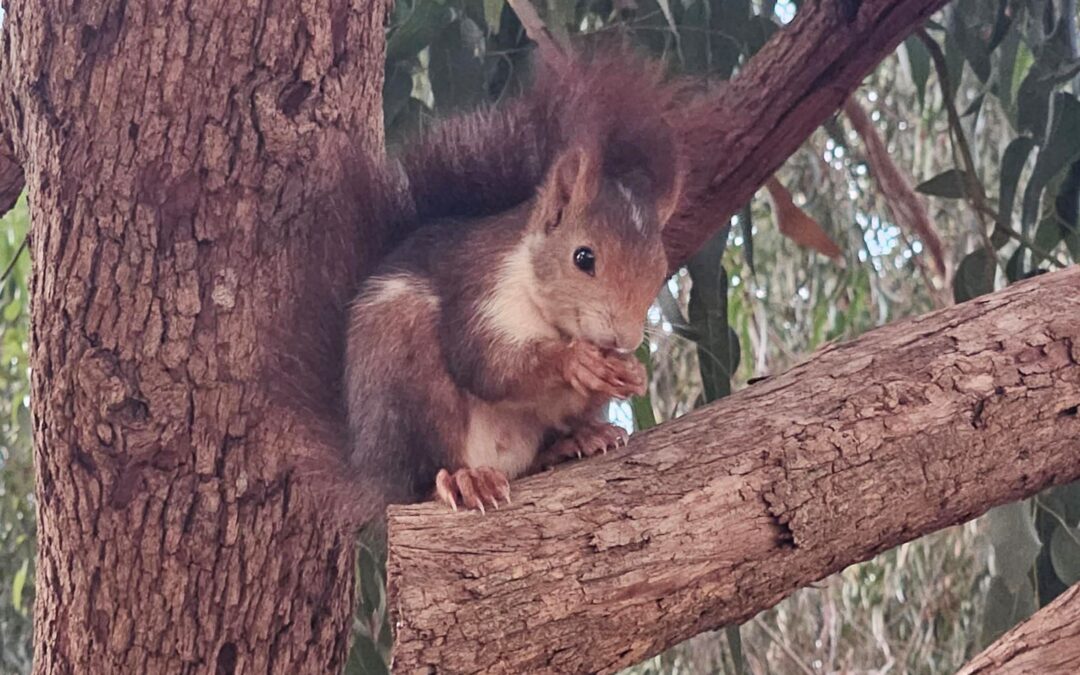
The squirrel population is on the rise in La Mata-Torrevieja natural park.
The largest numbers are found around the picnic area on the southern shore of La Mata lake. Here they have access to food most of the year round; and tall pines and eucalyptus trees provide the shady habitat they enjoy.
They are only active during daylight hours, appearing at dawn, according to the Valencia region environment department.
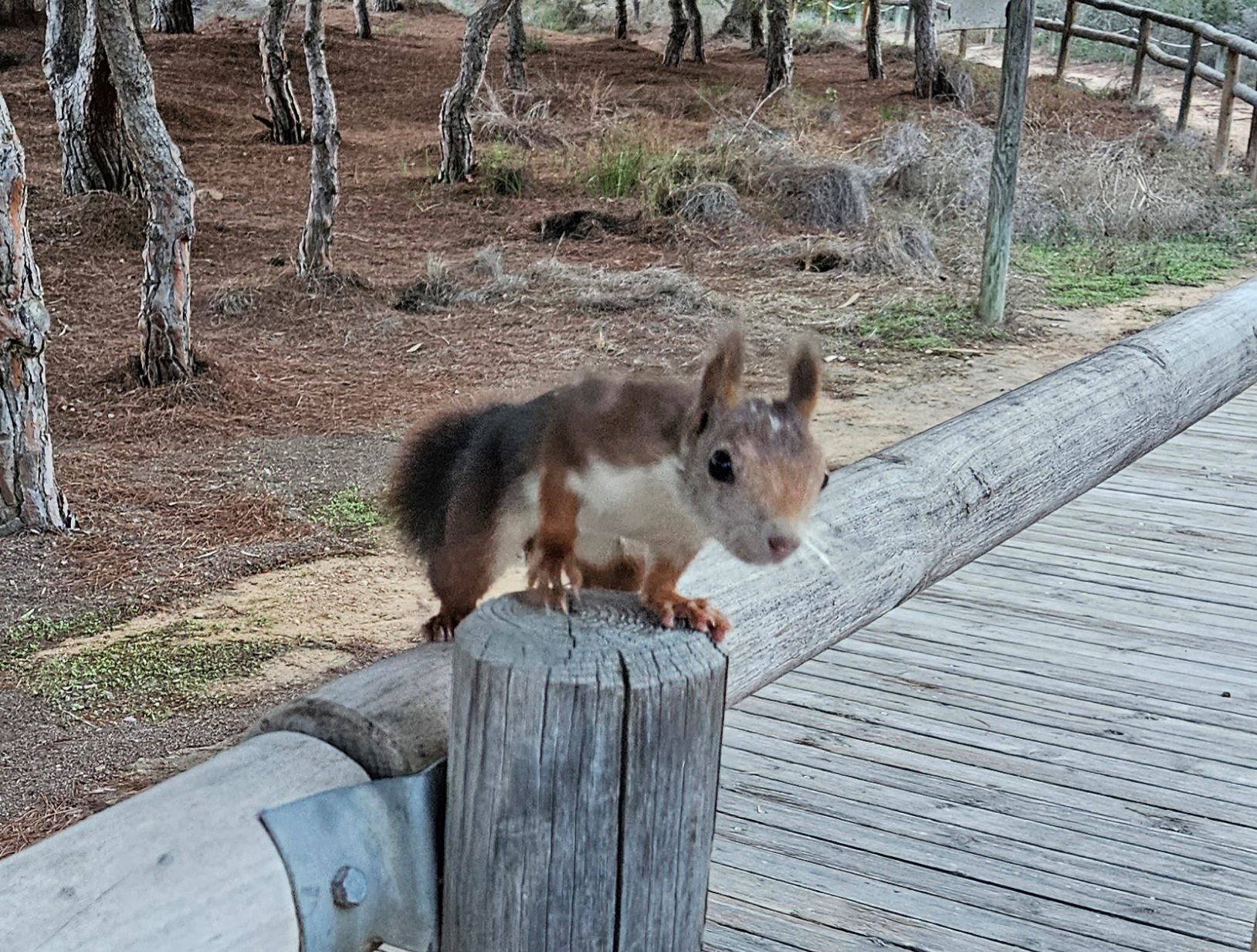
An endearing characteristic is their ‘curiosity’, which is evident at the picnic area where they regularly approach human visitors.
“They don’t have any problem living alongside people,” says the department.
In the Valencia region, squirrels are usually found in pine forests, as these trees offer refuge and food.
They eat seeds and nuts, fruits of the forest, eggs, mushrooms and even small birds.
An adult red squirrel’s body measures up to 25cms in length, with a tail which can reach 20cms, .
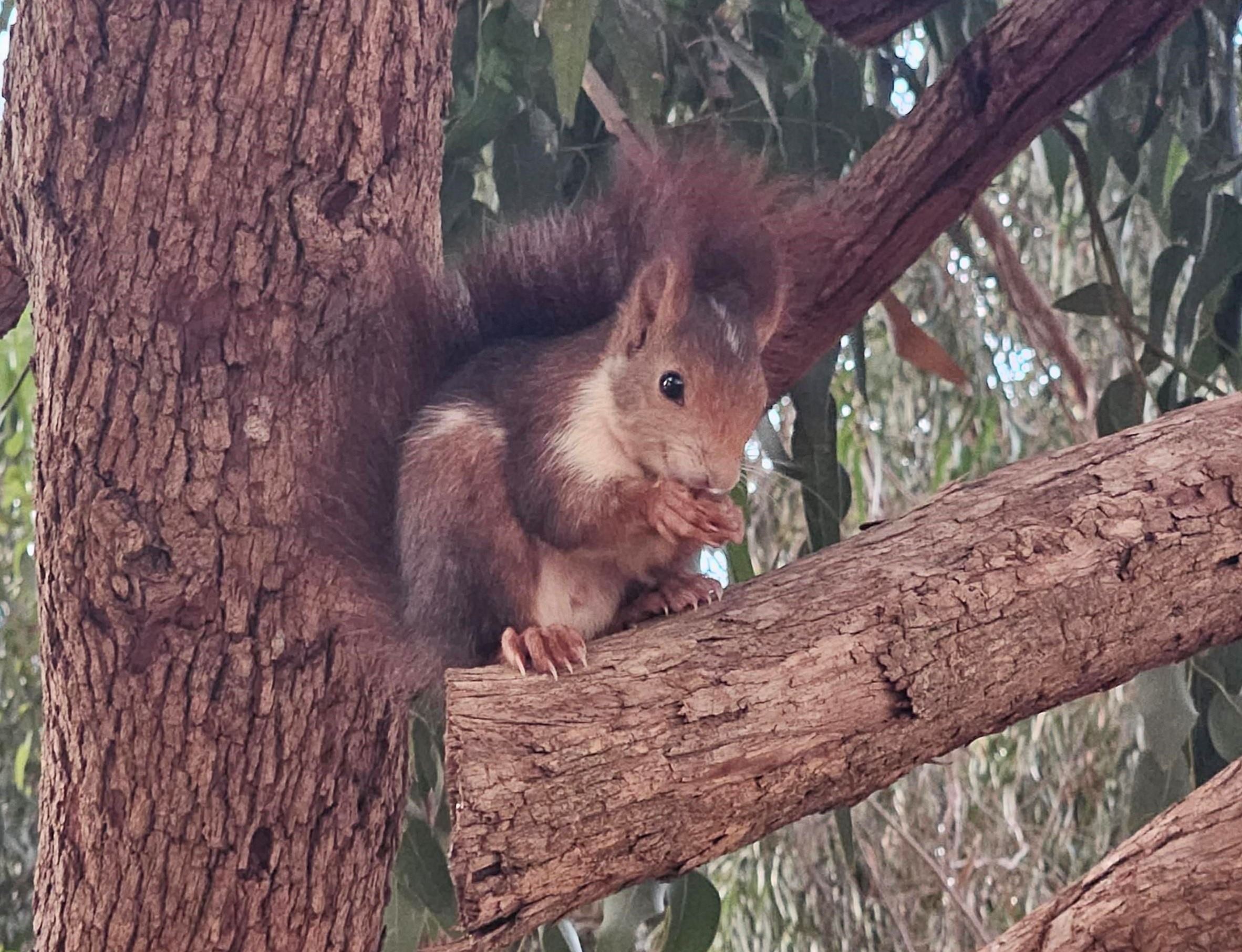
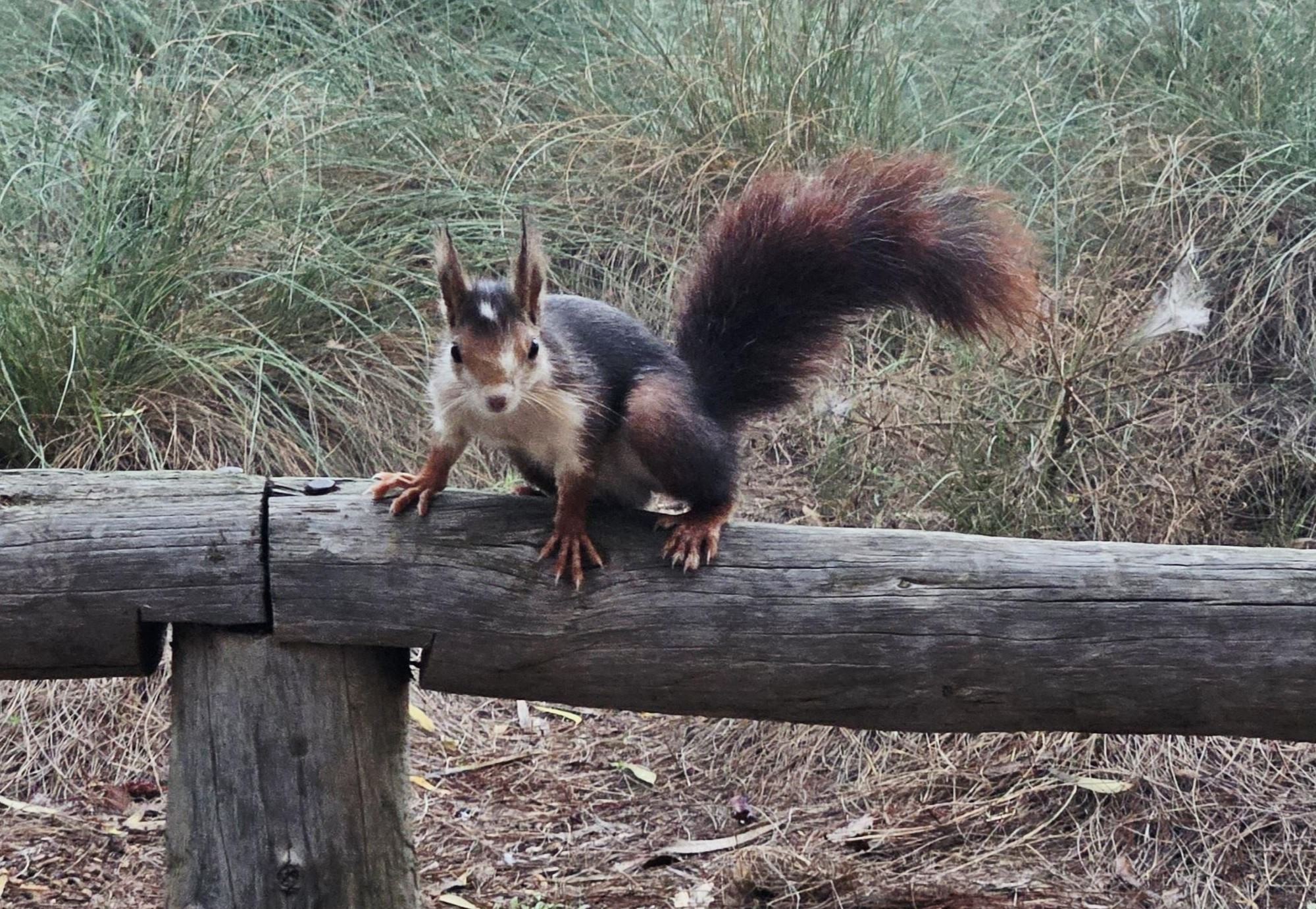
Their backs can be dark brown, reddish brown or dark red; and their front is creamy white. Tufts grow on their ears in winter to help them keep warm.
Squirrels construct nests called ‘drey’. These are shaped like balls; dense interwoven twigs, lined with soft materials such as moss, leaves, pine needles and grass.
They make them high in trees, close to the trunk; also using holes in tree trunks.
Females can have between one and six babies. They emerge from the nests aged around two months old and start to play nearby under the watchful eye of their mother, says the Fauna Ibérica website.
They do not hibernate but stock up for winter and remain in their nests during very cold weather.
There are five sub-species of red squirrel in Spain, notes Fauna Ibérica.
The principal threat to this species is the destruction of woodland.
They live for around six years in the wild.
Recent Comments