

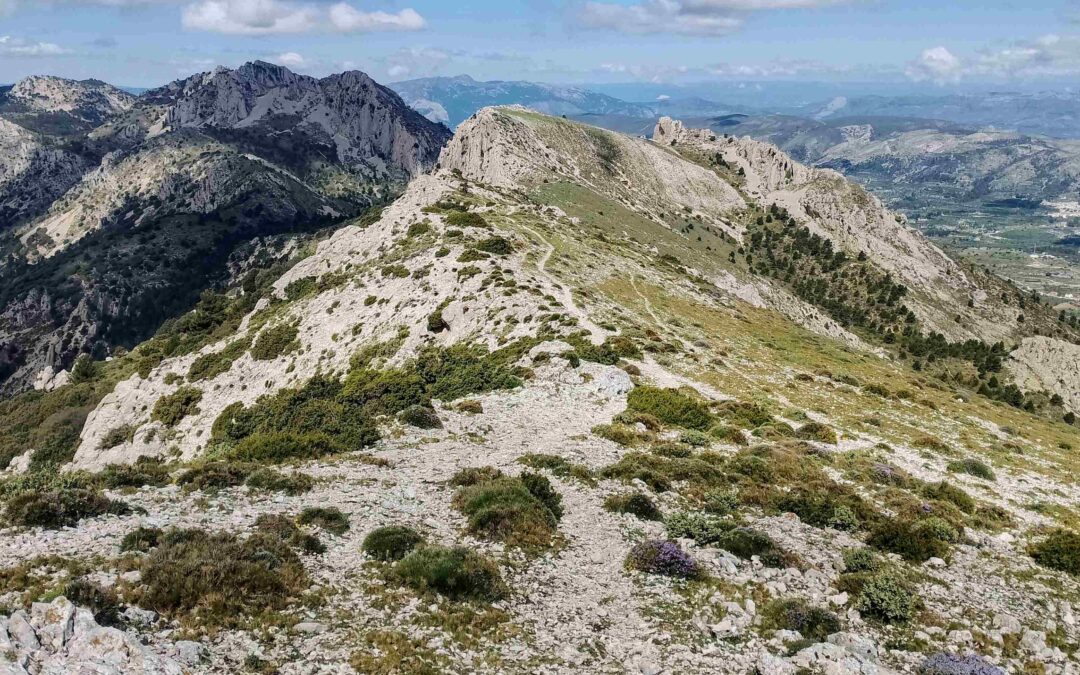
Following in the footsteps of the ice men – part 2
The Senda dels Nevaters (the ice men route) heads up the lane leading out of Plaza del Font in Famorca. It is 375m in distance up this wide track to reach a signpost, which points the walker off to the right onto a path. This is the start of an ascent that is fairly...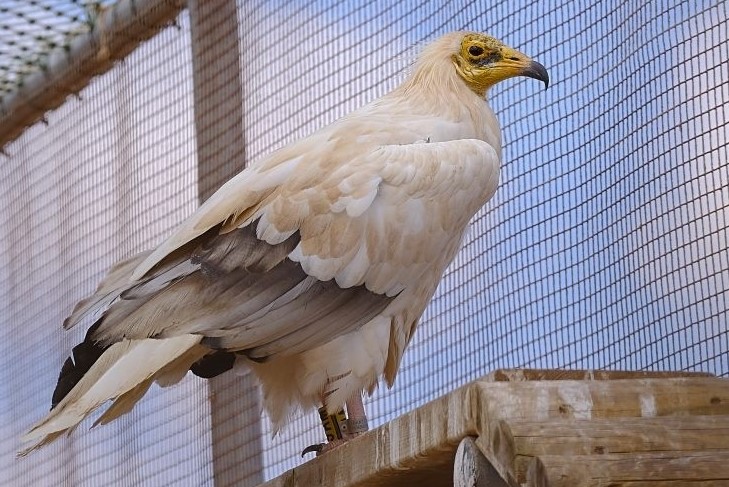
Egyptian vultures with an Iberian home
The Egyptian vulture is the smallest of the four species of these carrion feeders which inhabit Spain, with a wingspan of between 1.5 metres and 1.7m. Most of the Spanish population spends the winter in Africa and returns to Iberia for the nesting season, according to...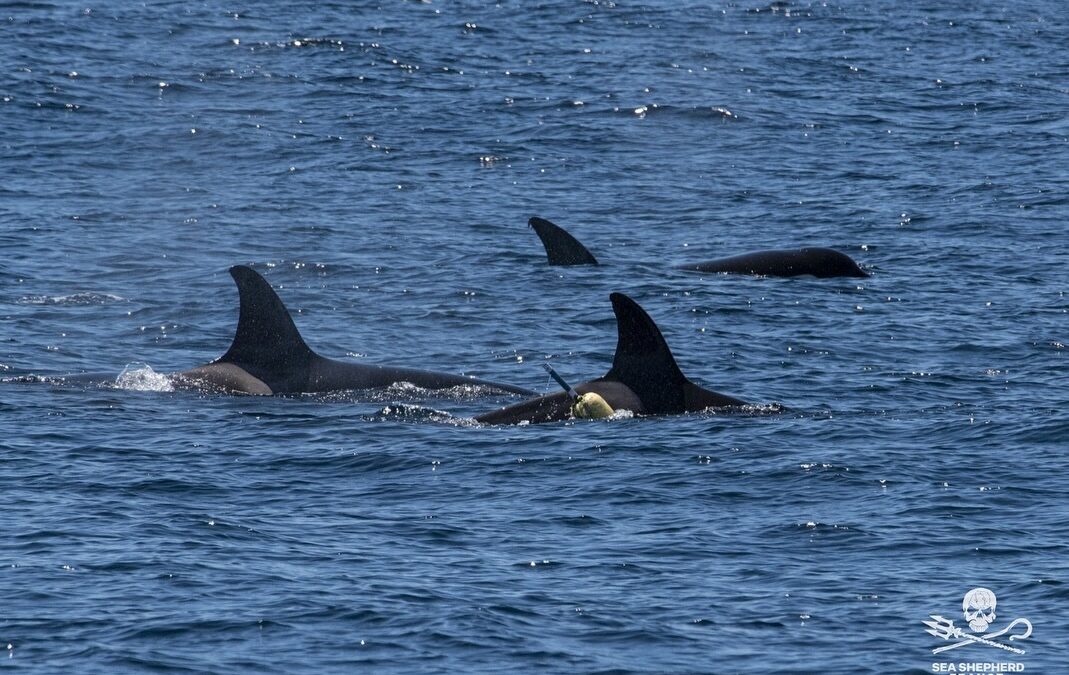
Campaign to save critically endangered Iberian orcas
The 2025 #SaveTheIberianOrca campaign has been launched. The associations WeWhale and Sea Shepherd France say ‘the urgency couldn’t be clearer’. They state that only 35 to 40 Iberian orcas remain; while the Iberian Orca Protection and Conservation...
Delving into the blue
The blue shark (Prionace glauca) is classed as being in critical danger of extinction in the Mediterranean, according to the International Union for Conservation of Nature (IUCN). It is a fish which spends most of its life in the open sea at depths of between 60 and...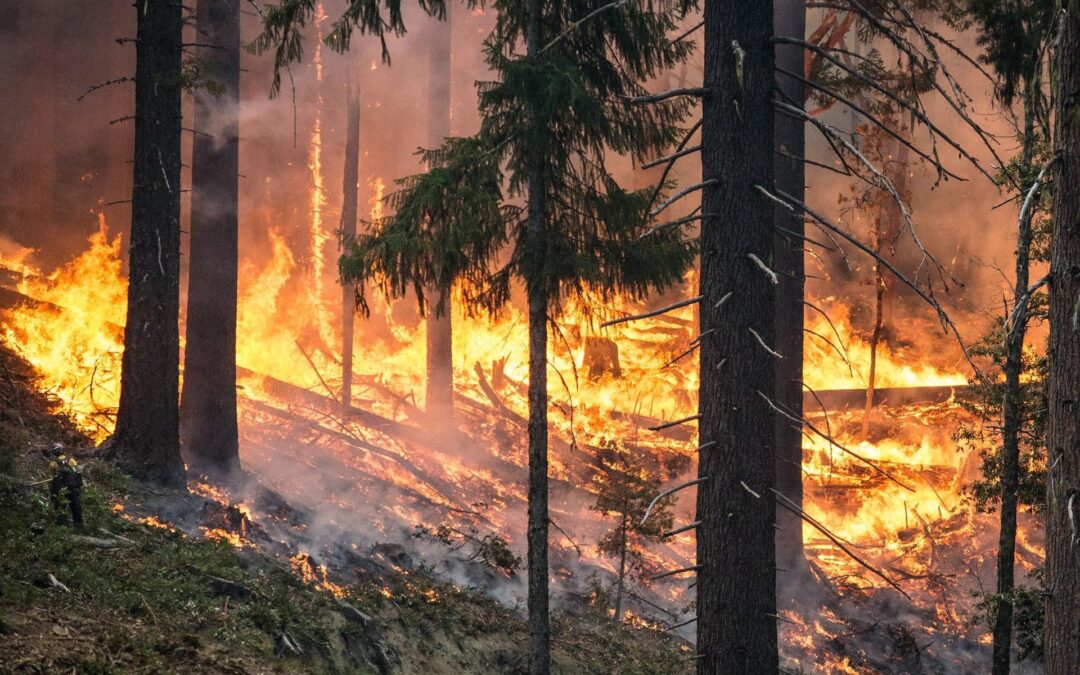
Facing up to the threat of forest fires
“Seeing our countryside go up in flames has really marked the people of Montanejos.” These were the words of the town mayor Miguel Sandalinas after fire destroyed large swathes of the pine forest in this walkers’ paradise in Castellón province in...
No butts
Hundreds of cigarette butts are dumped each day on almost every busy Mediterranean beach in Spain during the increasingly long tourist season. This equates to hundreds of thousands of polluting remnants discarded by thoughtless smokers. During eight months of the...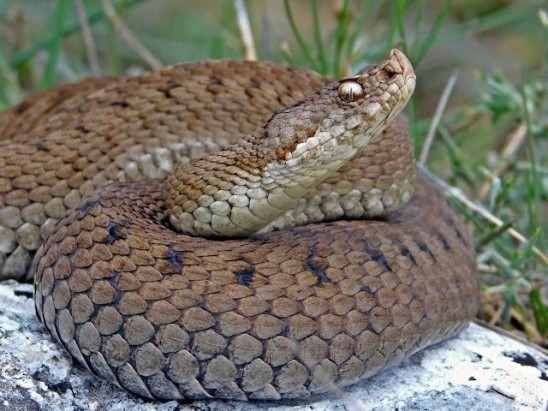
Spain’s snakes; part of the natural world
A total of 11 different kinds of snake can be found in Spain, according to the Iberozoa association. The most common of these reptiles in the Mediterranean area is the Montpellier snake, which is the longest in Spain; an adult can measure around two metres. They...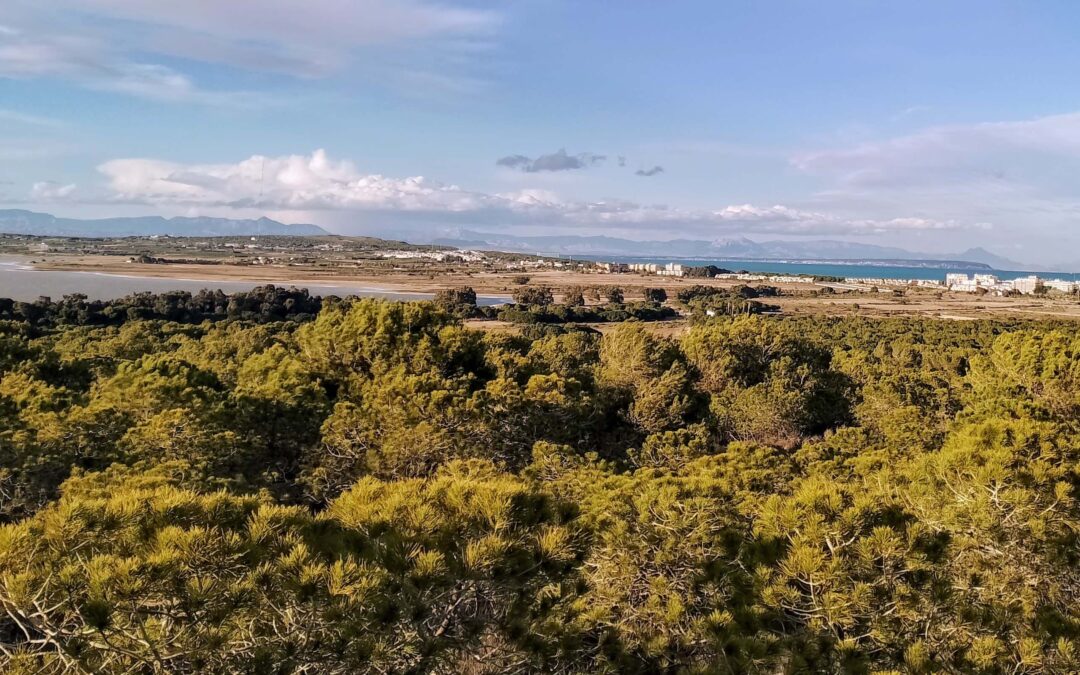
Discover the secrets of the lagoons
Free guided tours are being offered at La Mata-Torrevieja natural park. Described by Torrevieja tourism department as eco-tourism routes, four different walks are being operated in the protected area. ‘Expert guides’ will be on hand to give participants...
Tiny bear cub rescued
A three-month-old Iberian brown bear cub has been rescued in Asturias after it became separated from its mother and two siblings. The regional department for the environment reported that the youngster had first been spotted last Wednesday wandering on its own. Forest...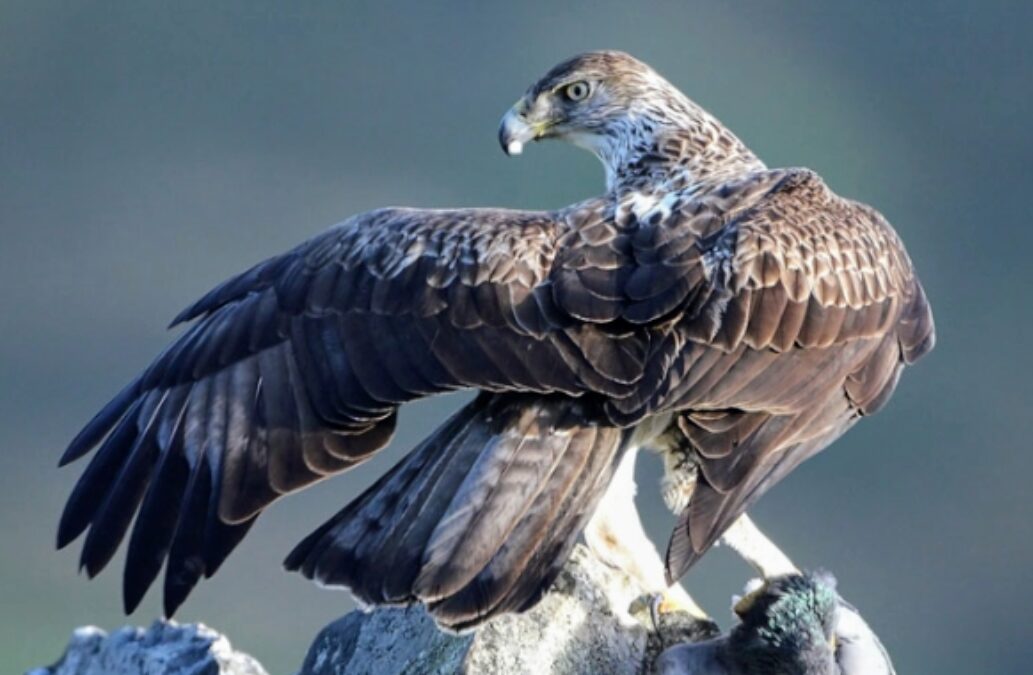
The speed merchant; Bonelli’s eagle, a Mediterranean bird
It’s the fastest and most agile of the larger species of eagle, explains SEO/BirdLife. With a wingspan of between 1.5m and 1.7m, Bonelli’s eagle’s speed allows it to hunt a wide range of prey, including medium sized birds, as well as rabbits, hares,...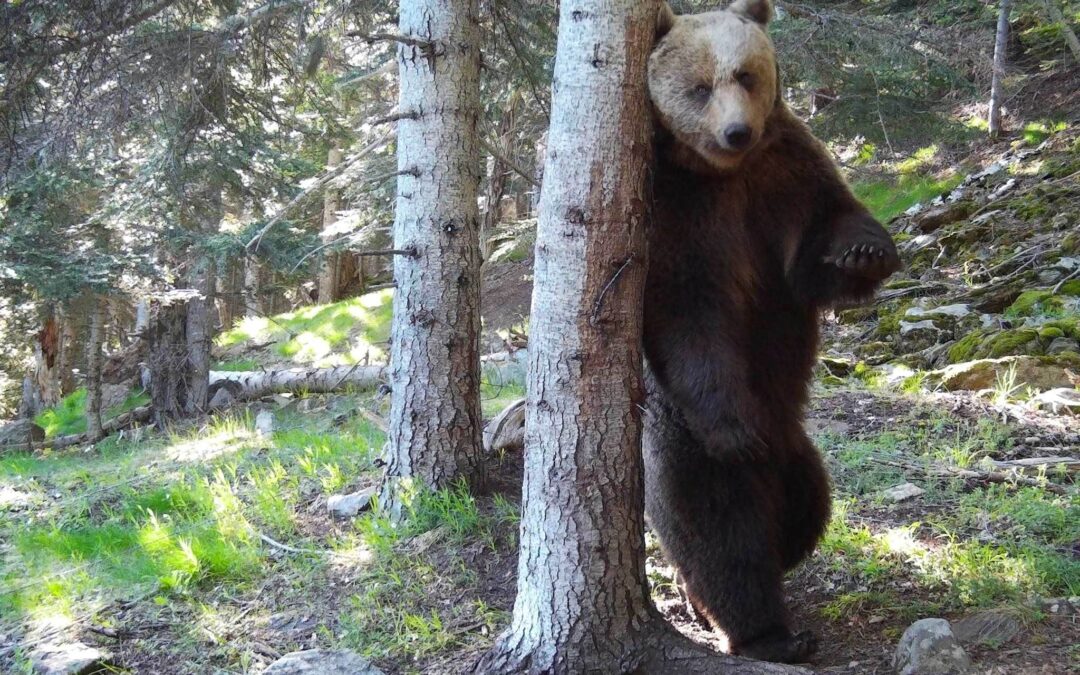
Recent Comments